Laser Marking Glass
How It Works
Laser marking on glass utilizes a focused beam of light to create a mark on the surface or even inside the glass.
The process is controlled by a computer, which directs the laser to vaporize the glass and create the desired design with high precision.
There are two primary methods of laser marking on glass:
Laser Engraving: This is a more intense process that removes a small amount of glass to create deep, tactile grooves.
The result is a durable, three-dimensional design.
Laser Etching: This is a lighter process that alters only the top layer of the glass, creating a frosted, matte finish.
The surface remains relatively smooth to the touch.
Types of Lasers Used
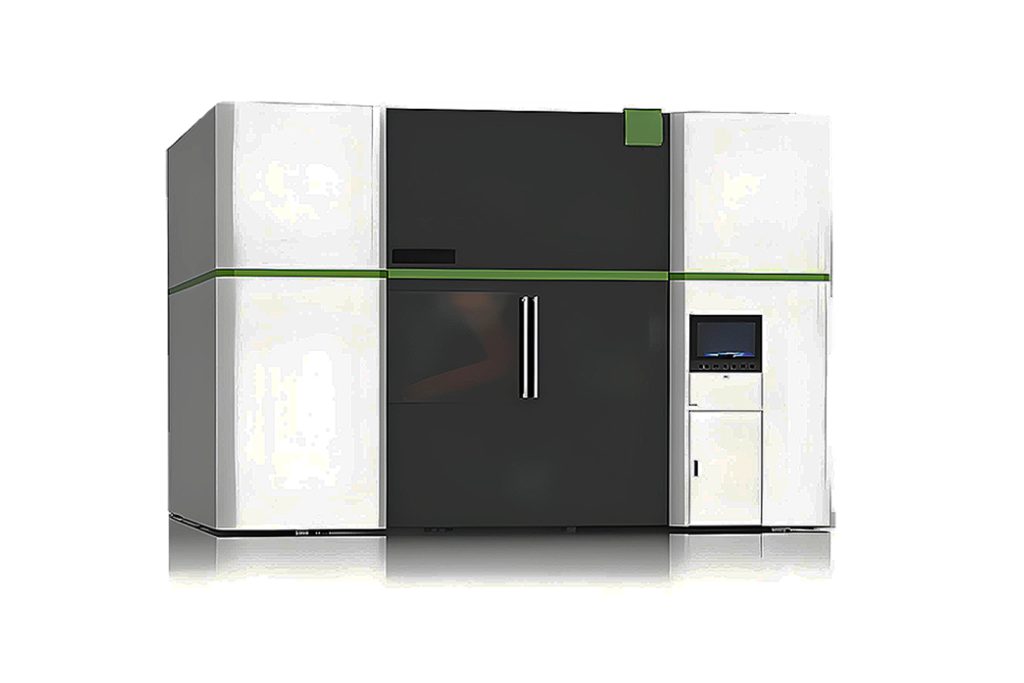
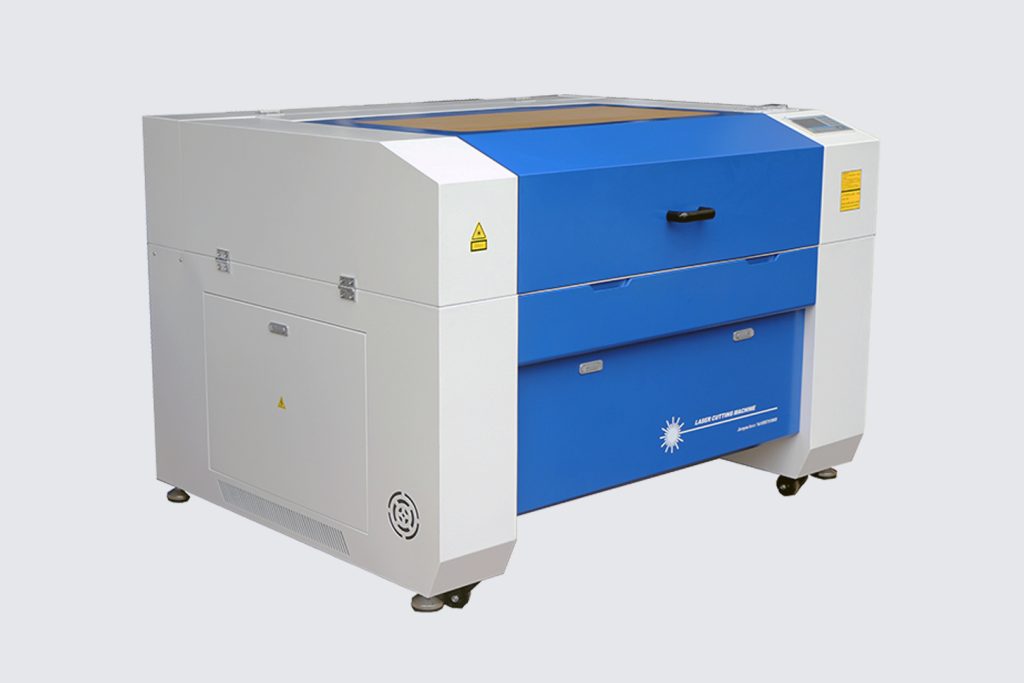
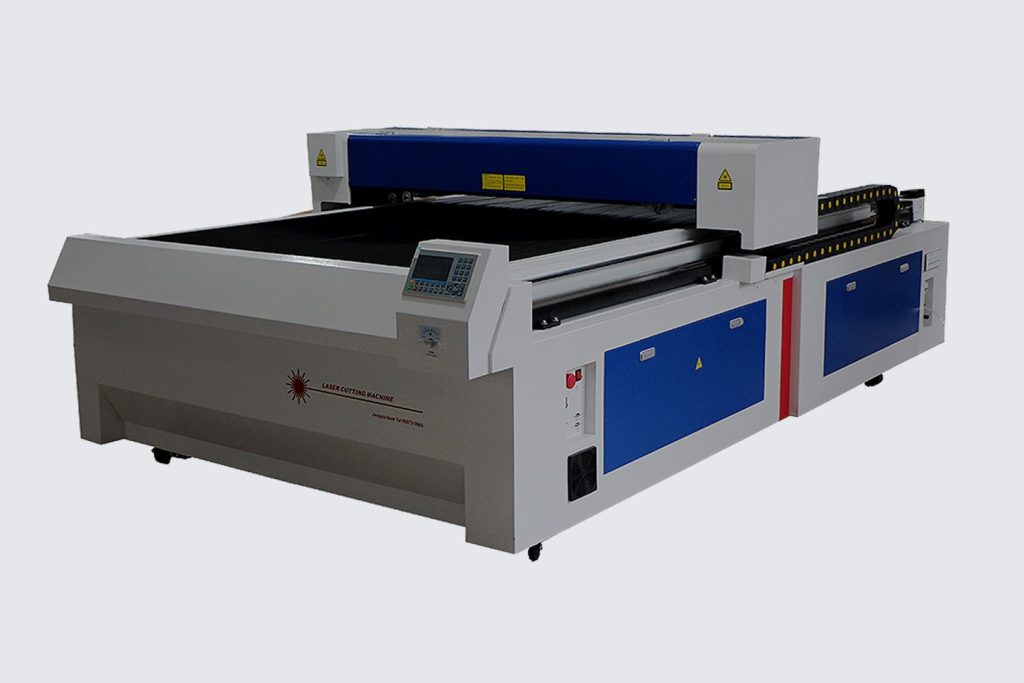
Different types of lasers can be used for marking glass, each with its own advantages:
Laser Type
Description
CO2 Lasers
These are the most common for glass marking and are effective at creating a “frosted” look.
They are versatile and can be used on various non-metallic materials.
UV Lasers
These lasers are used to create high-contrast, transparent markings.
They generate minimal heat, which is ideal for delicate glass and intricate designs.
Diode Lasers
A more affordable option often favored by hobbyists.
Diode lasers require the glass surface to be coated with a substance like marking paper or paint to absorb the laser’s energy.
Picosecond Lasers
These lasers utilize extremely short pulses of light to create small incisions by breaking the chemical bonds in the glass with very little heat damage.
Advantages of Laser Marking
Laser marking on glass offers several benefits:
Precision: Lasers can produce incredibly intricate and fine details.
Speed: It is a much faster process than traditional methods.
Durability: The markings are permanent and resistant to wear, tear, and chemicals.
Cost-Effective: The process is efficient and does not require consumables like inks or pastes.
Versatility: It can be used on a wide range of glass types for various applications.
Clean and Eco-Friendly: Laser marking is a non-contact process that avoids the use of hazardous chemicals and produces minimal waste.
Consistency: Digital designs ensure uniform and easily replicable results.
Quality: The process results in a polished look without creating burrs or unevenness on the glass surface.
Applications
The applications for laser marking on glass are extensive and include:
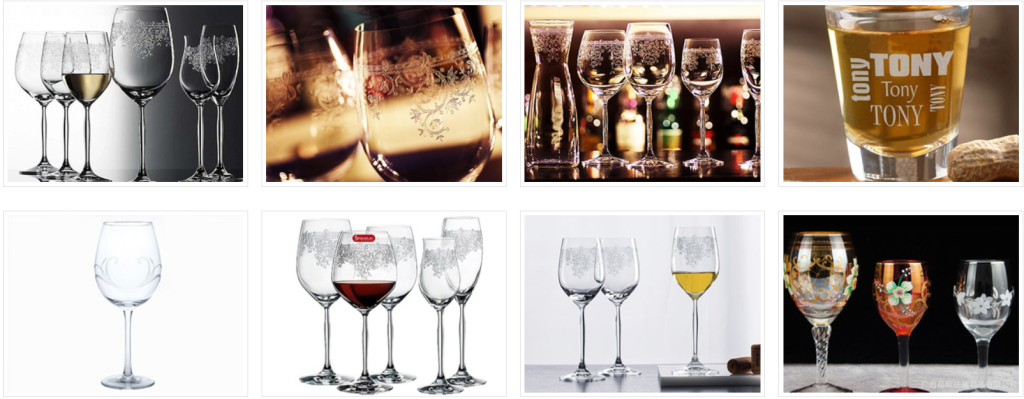
Decorative Items: Personalizing gifts, awards, and artistic creations.
Industrial Applications: Adding serial numbers, barcodes, and logos for product traceability.
Branding: Enhancing products such as bottles, glasses, and jars with logos and other designs.
Automotive and Electronics: Used in various capacities within these industries.
Samples