
Advantages of Laser Cutting Machines in Sheet Metal Processing Compared to traditional cutting machines, laser cutting machines offer superior efficiency and precision, making them ideal for processing precision parts. Traditional cutting machines require experienced technicians to operate, while laser cutting machines differ in their capabilities. Laser cutting boasts high precision, fast cutting speed, flexibility in cutting patterns, automatic layout, material saving, smooth cutting, and low processing costs. Additionally, laser cutting produces a small heat-affected zone, minimal sheet deformation, and narrow cutting seams. The cut is free from mechanical stress and shear burrs, ensuring high processing accuracy, good repeatability, and no damage to the material surface. With CNC programming, any design can be processed, and large-format cutting of entire sheets is possible without the need for mold making, offering economic and time-saving benefits. Laser cutting machines are capable of processing metal sheets, stainless steel, chassis, and cabinets.
Laser cutting has become a cornerstone of modern sheet metal processing, offering a multitude of benefits that surpass traditional cutting methods. Its precision, speed, and versatility make it an invaluable tool for a wide range of applications, from intricate designs to large-scale industrial production.
Superior Precision and Quality
One of the most significant advantages of laser cutting is its exceptional precision and accuracy.
The highly focused laser beam allows for intricate and complex designs with tight tolerances, creating clean, smooth, and burr-free edges.
This high-quality finish often eliminates the need for secondary processing, saving both time and money.
The minimal heat-affected zone also reduces the risk of material warping, even on thin sheets.
Unmatched Speed and Efficiency
Laser cutting machines are significantly faster than traditional cutting methods, especially for materials under 3/8″ thick.
The automated nature of the process, often controlled by CNC and CAD/CAM software, allows for continuous operation, even overnight, drastically reducing production time and labor costs.
The ability to “nest” multiple parts into a single sheet of metal also optimizes material usage and minimizes waste.
Design Flexibility and Versatility
Laser cutting offers unparalleled design flexibility, enabling the creation of complex shapes, intricate patterns, and even engraving or etching on the metal surface. This technology is compatible with a wide range of materials, including stainless steel, carbon steel, aluminum, copper, and brass.
The ability to quickly switch between designs without the need for retooling makes laser cutting ideal for both large production runs and custom, one-off projects.
Cost-Effectiveness
While the initial investment in a laser cutting machine can be high, the long-term benefits often outweigh the cost.
Reduced labor costs, minimal material waste, and increased production speed contribute to a lower overall cost per part, especially for large orders.
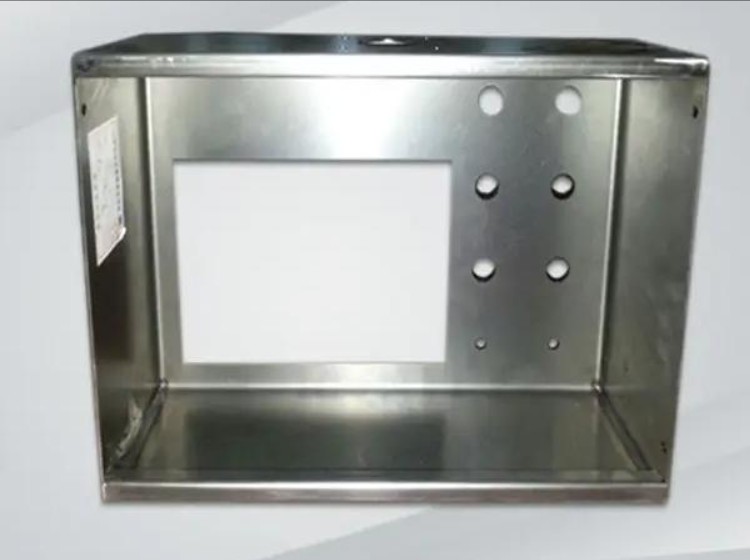
Furthermore, the elimination of tooling costs associated with traditional methods like stamping or punching provides significant savings.
Comparison with Traditional Methods
In conclusion, laser cutting has revolutionized sheet metal processing by providing a faster, more precise, and more versatile solution compared to traditional methods. Its ability to produce high-quality parts with complex geometries at a competitive cost makes it the preferred choice for a wide array of industries and applications.