
When purchasing a small laser cutting machine, you are essentially investing in a system of interconnected components rather than just a single tool. For a hobbyist or a small business, choosing the right “parts” involves balancing material compatibility, maintenance needs, and safety.
1. The Laser Source (The “Engine”)
The type of laser determines what you can cut. Small machines typically fall into three categories:
- Diode Lasers (Blue Light): Compact and affordable. Best for engraving wood, leather, and dark acrylics. They struggle with clear or light-colored materials and thick cuts.
- CO₂ Lasers (Gas Tube): The gold standard for non-metals. They excel at cutting thick wood, acrylic (including clear), and fabric.
- Fiber Lasers: Highly specialized for metal marking and thin metal cutting. They are generally more expensive and less versatile for organic materials.
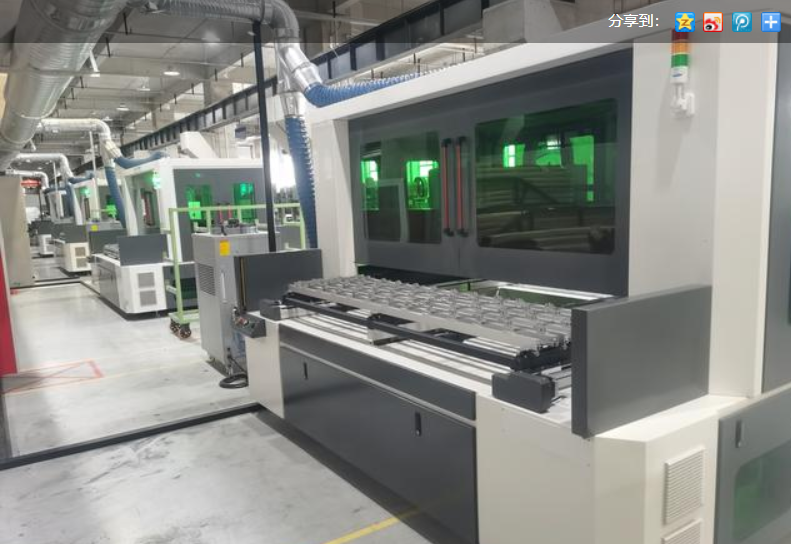
2. Motion and Frame Components
A laser’s precision is only as good as the hardware moving the laser head:
- Linear Rails vs. V-Wheels: Linear rails are more durable and provide higher precision/speed, whereas V-wheels (common in budget kits) require more frequent adjustment and cleaning.
- The Honeycomb Bed: Essential for small machines to prevent “flashback” (burn marks on the back of your material). It allows smoke and laser energy to pass through the material rather than bouncing off the bottom.
3. Critical Support Systems
A laser machine cannot operate safely or effectively in isolation. You must consider these external “parts”:
| System | Purpose | What to Look For |
| Exhaust Fan | Removes toxic smoke/fumes | An inline duct fan (rated by CFM) is usually better than the small built-in fans. |
| Air Assist | Blows air at the cut point | Reduces fire risk and prevents charring on wood. Look for a pump included in the kit. |
| Cooling System | Prevents tube overheating | Water chillers (like the CW-3000 or CW-5200) are vital for CO₂ lasers to prevent the tube from cracking. |
4. Safety and Control Features
- Enclosure: For indoor use, a fully enclosed machine with a laser-safe viewing lid is mandatory to protect your eyes and contain fumes.
- Safety Interlocks: Sensors that automatically stop the laser if the lid is opened during a job.
- Software Compatibility: Check if the machine is compatible with LightBurn, which is the industry standard for small-scale laser control. Proprietary “free” software is often limiting.
5. Maintenance Checklist
Before buying, check the availability and cost of these “consumable” parts:
- Focal Lenses and Mirrors: These must be cleaned daily and replaced if they become pitted or burnt.
- Laser Tubes (CO₂): These have a finite lifespan (usually 1,000 to 10,000 hours).
- Replacement Belts: Essential for maintaining tension and accuracy over time.