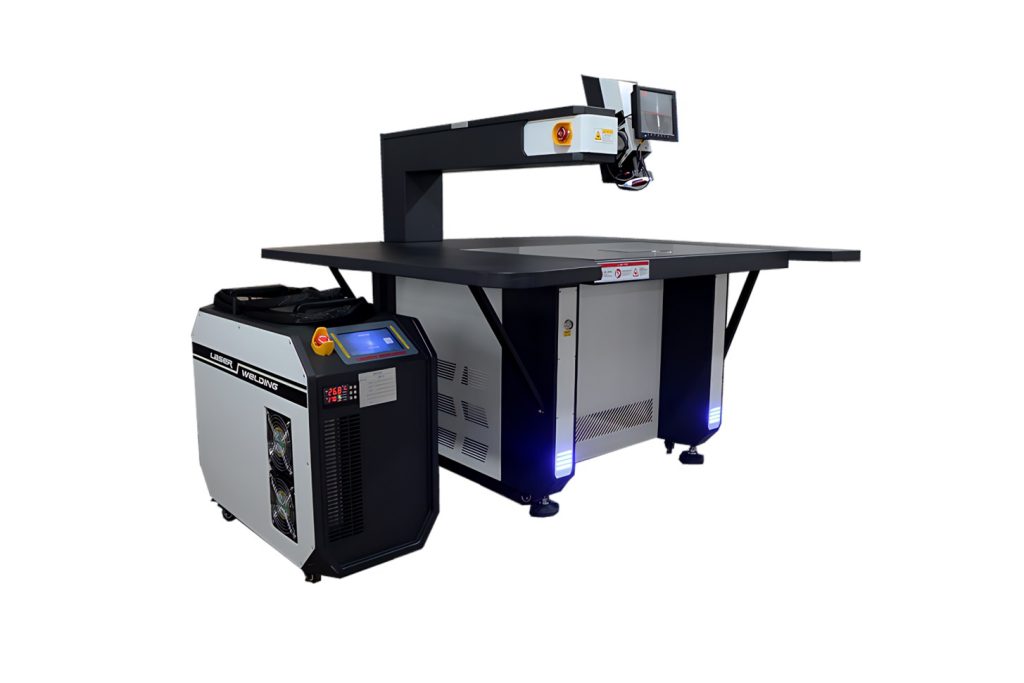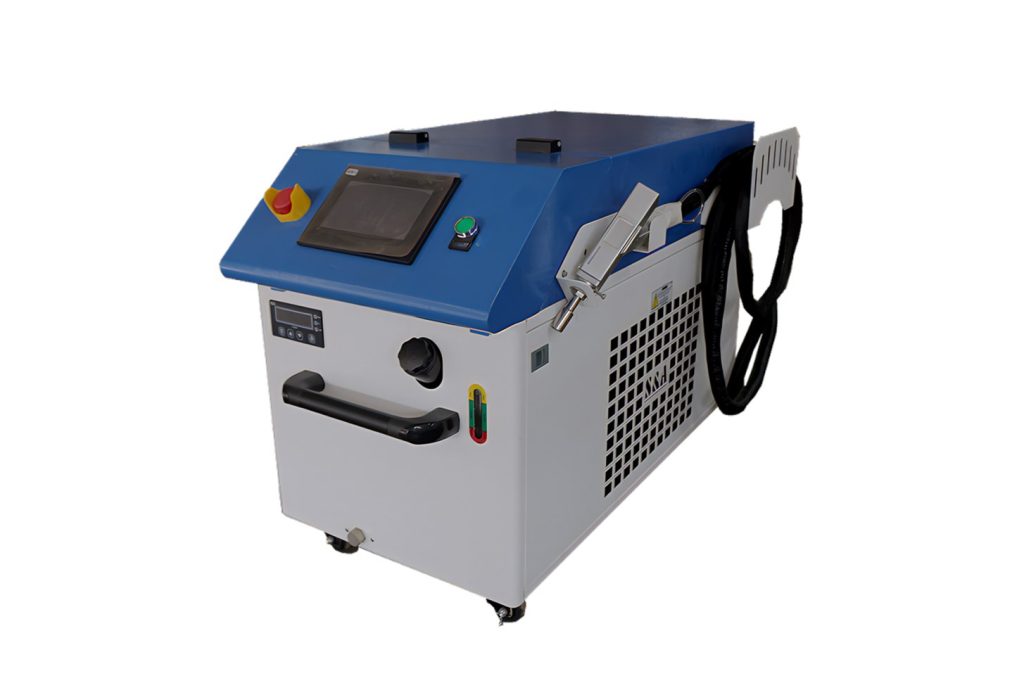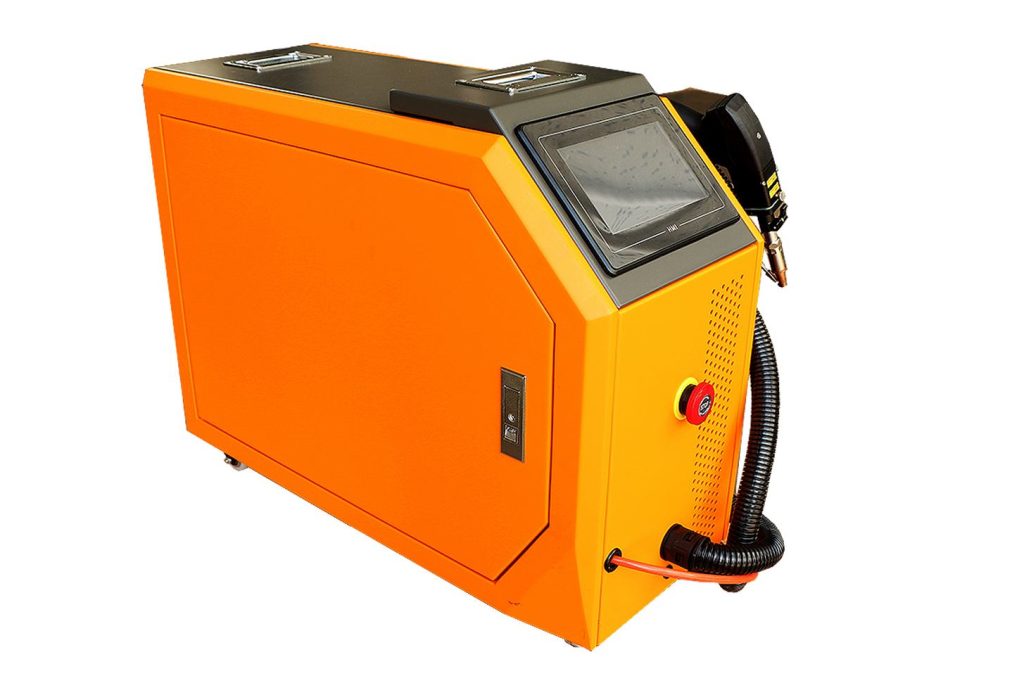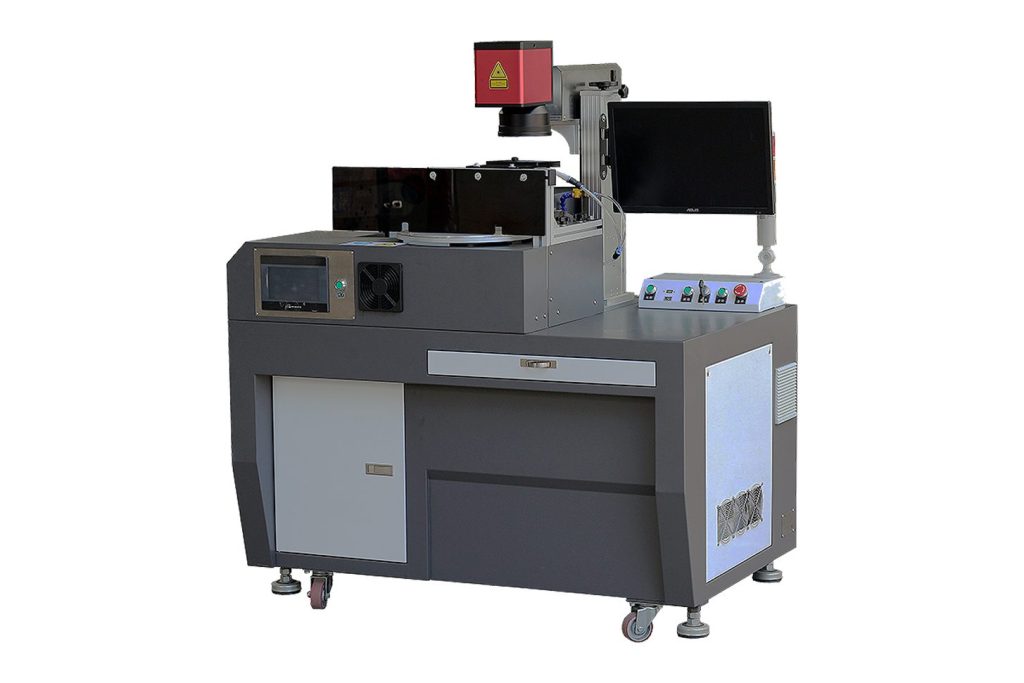
Understanding the difference between these two technologies is essential for choosing the right equipment for your shop. While both achieve a permanent mark, their methods and results are fundamentally different.
Here is a technical comparison you can use for your website content or to fill in the Questions section of your Rank Math FAQ Schema:
Laser vs. Mechanical Engraving
| Feature | Laser Engraving | Mechanical Engraving |
| Method | Non-contact thermal process (heat) | Contact-based physical cutting (bits/diamond tips) |
| Precision | Extreme detail; capable of intricate photographic engraving | Good for deep grooves, but limited by the size of the cutting bit |
| Materials | Metals, wood, acrylic, glass, and leather | Primarily metals and hard plastics; poor on glass or brittle materials |
| Maintenance | Low; no physical parts touch the material | High; cutting bits wear down and require regular replacement |
Why should I choose a laser engraver over a mechanical system?
A laser engraver offers a non-contact solution, meaning there is no physical force applied to the material. This results in higher precision and the ability to work with delicate items without needing to clamp them down.
Which method is better for high-volume industrial production?
For speed and consistency, the laser engraver is generally superior. It requires no tool changes between designs and has fewer moving parts that can wear out, making it more cost-effective for long-term use.
Can a laser engraver achieve the same depth as a mechanical engraver?
While mechanical systems excel at deep, physical "V-carving," a high-power laser can achieve significant depth through multiple passes while maintaining much sharper corner details.