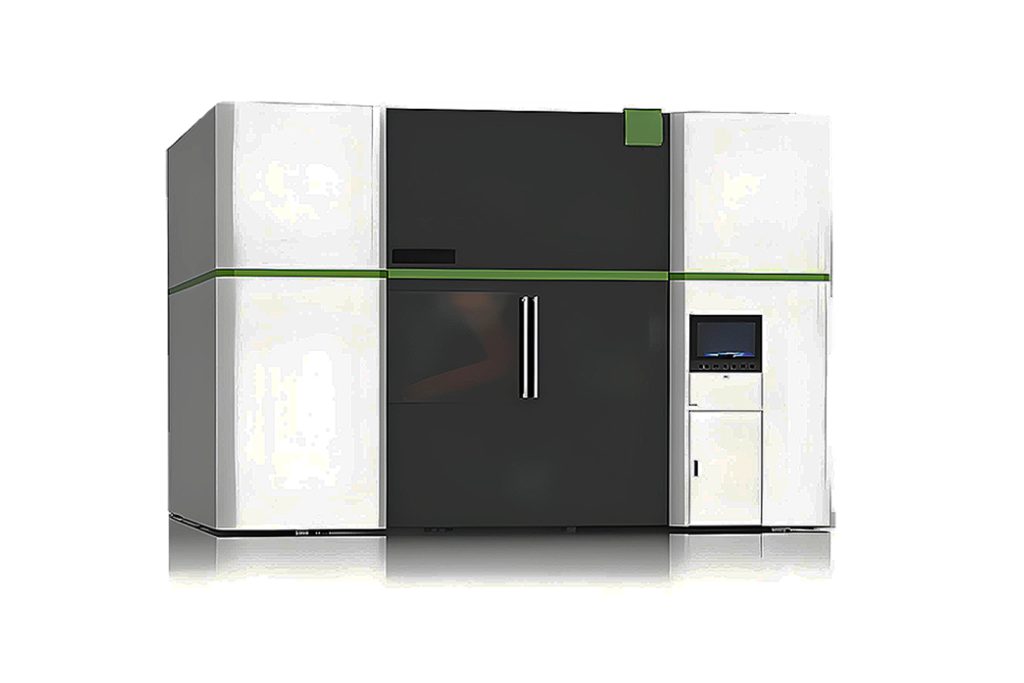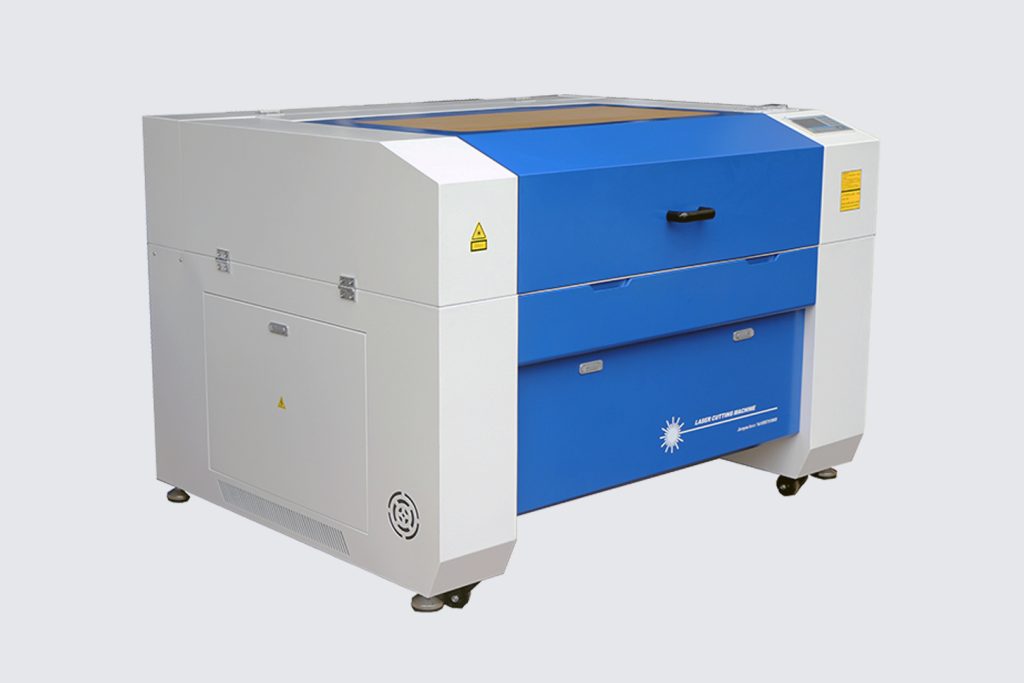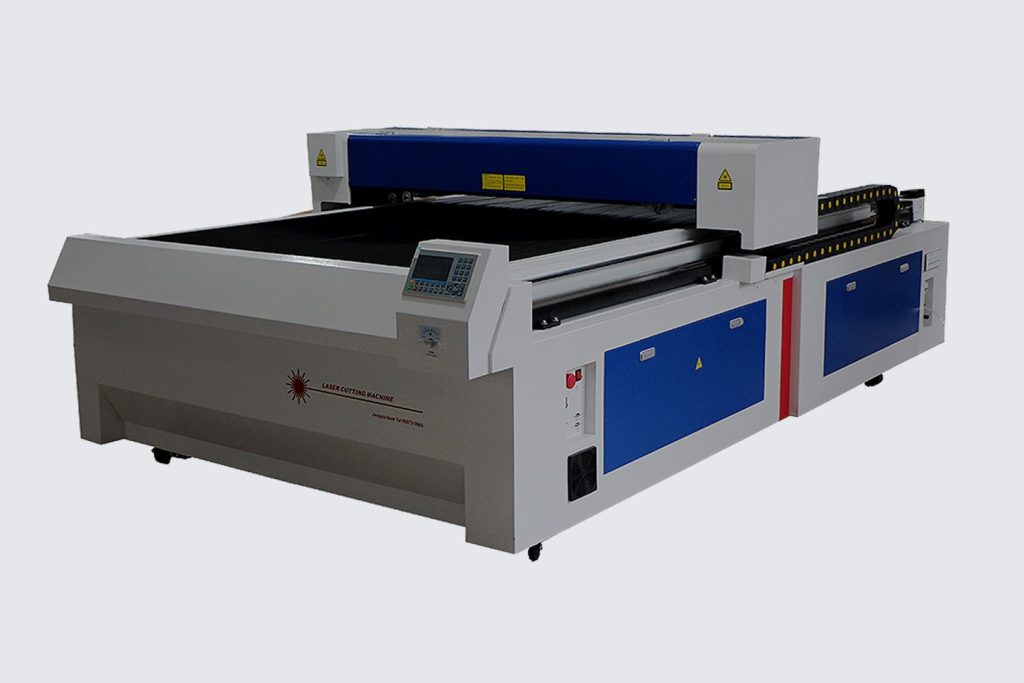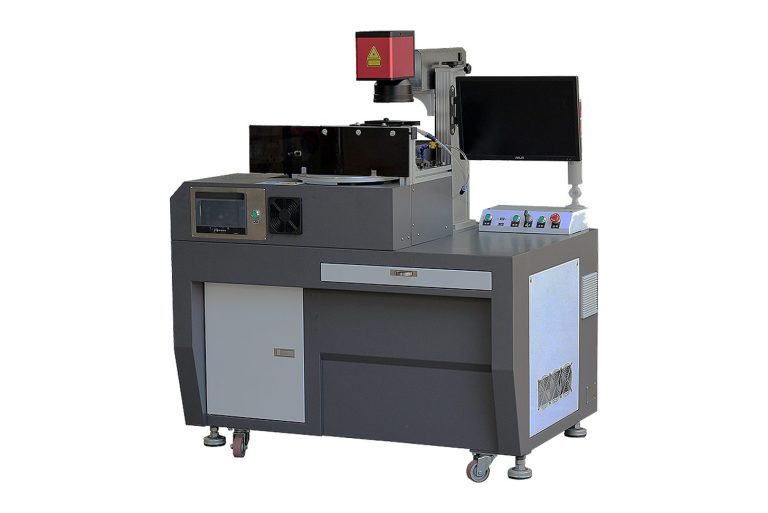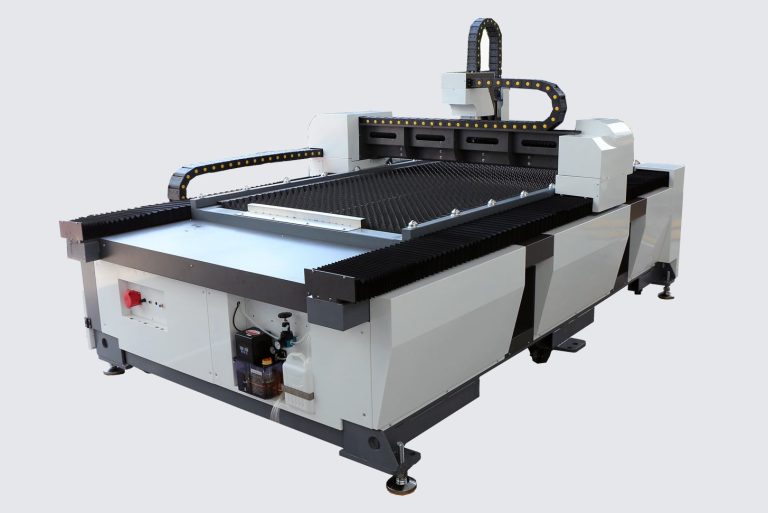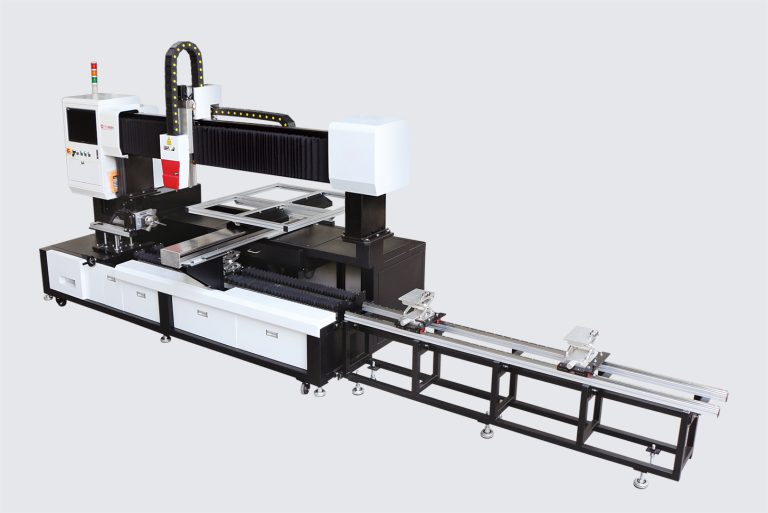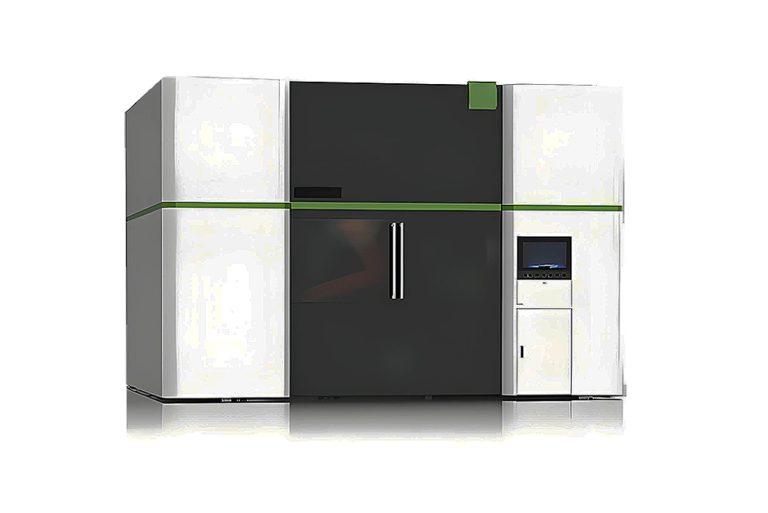
Glass is notoriously temperamental. It’s brittle, sensitive to heat, and prone to shattering if you look at it the wrong way. Historically, cutting it required mechanical scoring and breaking—a messy process that often left jagged edges. However, the Application of Laser Cutting Technology in Glass has turned this fragile material into a playground for high-precision engineering.
Precision in the Palm of Your Hand
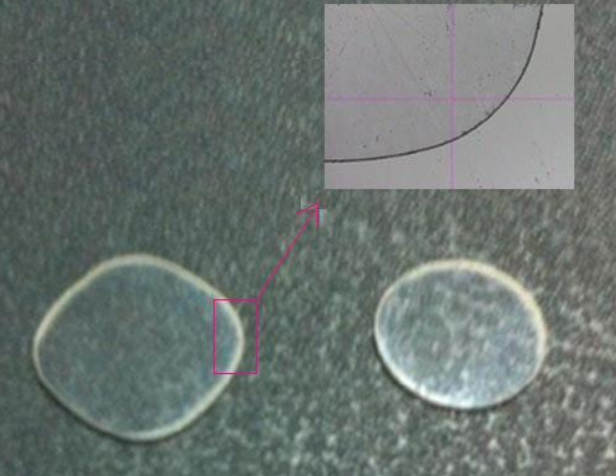
The most visible success story for this tech is the smartphone in your pocket. Modern mobile devices require ultra-thin, chemically strengthened glass with complex cutouts for cameras and speakers. The Application of Laser Cutting Technology in Glass allows manufacturers to achieve these intricate shapes without creating micro-cracks that would compromise the screen’s structural integrity.
By using ultra-short pulse (USP) lasers, the glass is “ablated” or evaporated so quickly that the surrounding area doesn’t even have time to get hot.
Industrial Use Cases
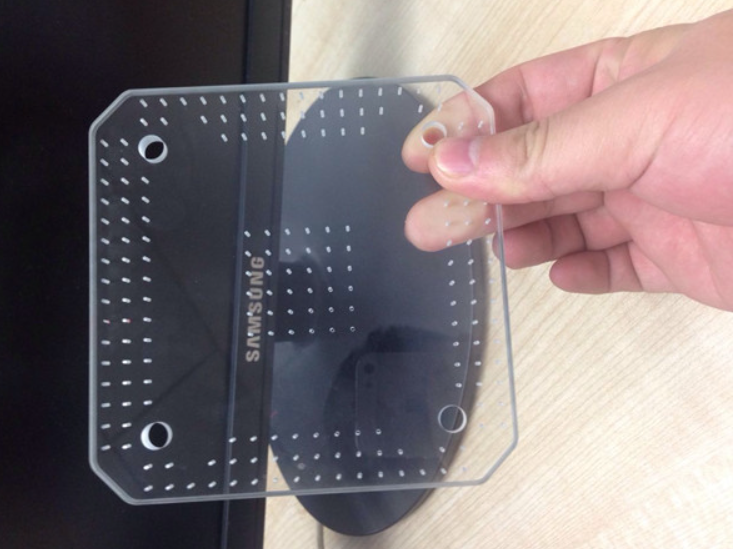
While electronics lead the way, other sectors are catching up:
- Medical Technology: Creating microscopic channels in glass “lab-on-a-chip” devices and cutting high-purity glass vials.
- Automotive Industry: Shaping side-view mirrors and complex dashboard displays with the Application of Laser Cutting Technology in Glass.
- Architecture: Precision etching and cutting of specialty decorative glass or high-performance insulated windows.
Why Laser Beats the Diamond Blade
In a traditional setup, you have to grind and polish the glass edges after cutting to remove defects. With the Application of Laser Cutting Technology in Glass, the “post-processing” phase is virtually eliminated.
| Feature | Mechanical Cutting | Laser Cutting |
| Edge Quality | Rough/Micro-cracks | Mirror-smooth |
| Waste Material | High (due to chipping) | Minimal |
| Shape Capability | Mostly straight lines | Complex 2D/3D shapes |
| Consumables | Constant blade replacement | None (Light only) |
Insight: Laser cutting doesn’t just cut; it “heals” as it goes. The localized heat can actually seal the edges of certain glass types, making the final product stronger than one cut with a mechanical saw.
Looking Ahead: The Future of Transparent Design
As we move toward a world of foldable glass and transparent augmented reality (AR) displays, the Application of Laser Cutting Technology in Glass will be the foundational tool that makes it possible. We are moving beyond simple 2D sheets into a realm where glass can be treated almost like plastic—molded and cut with extreme geometric freedom.