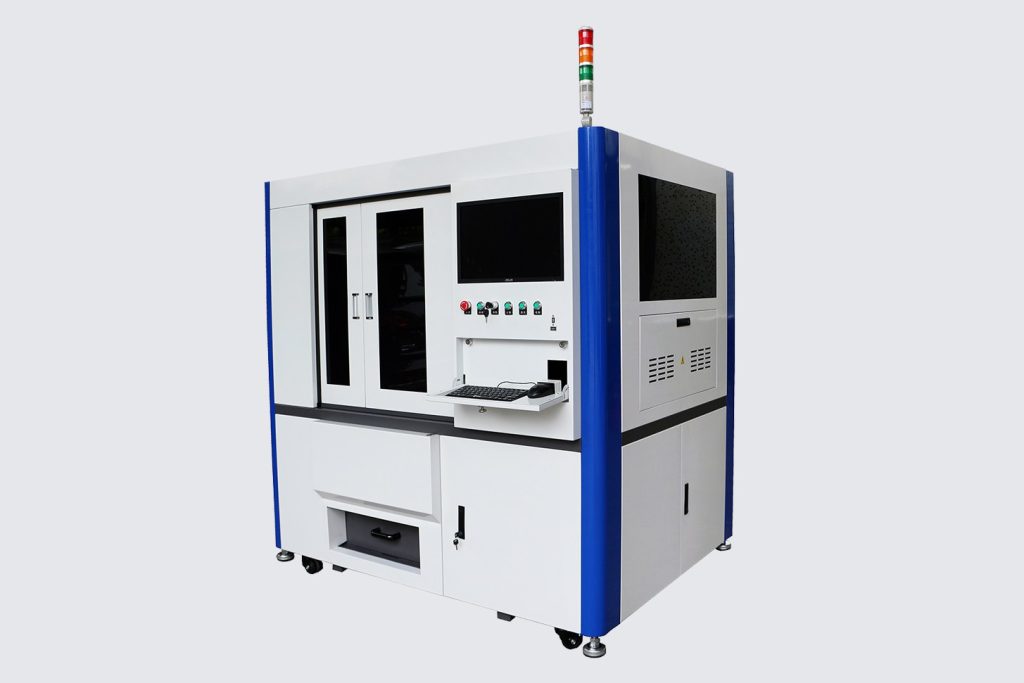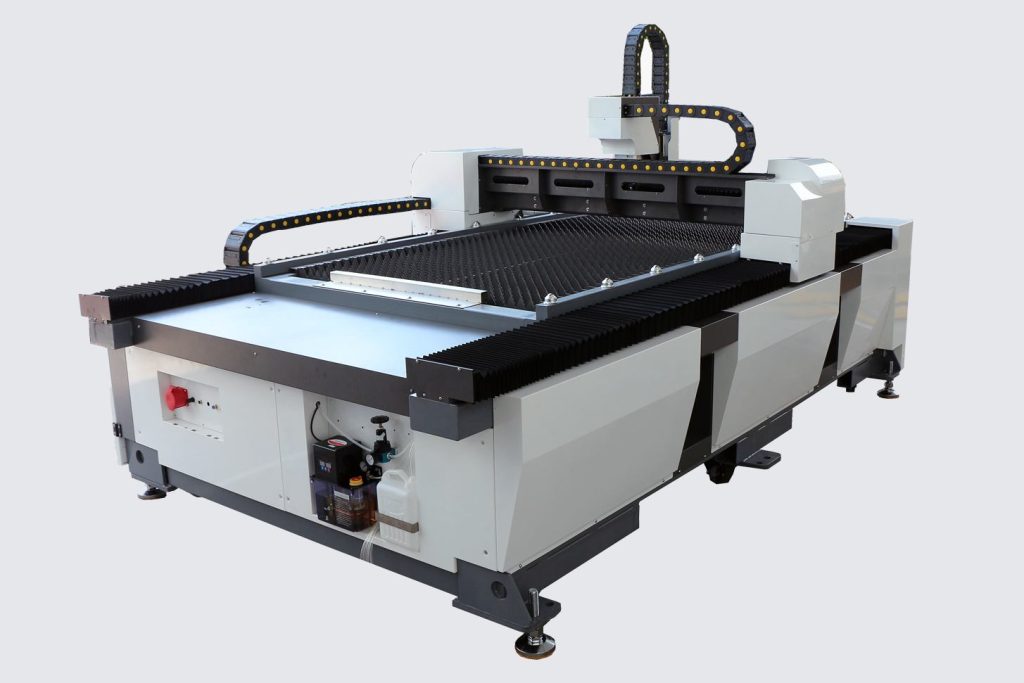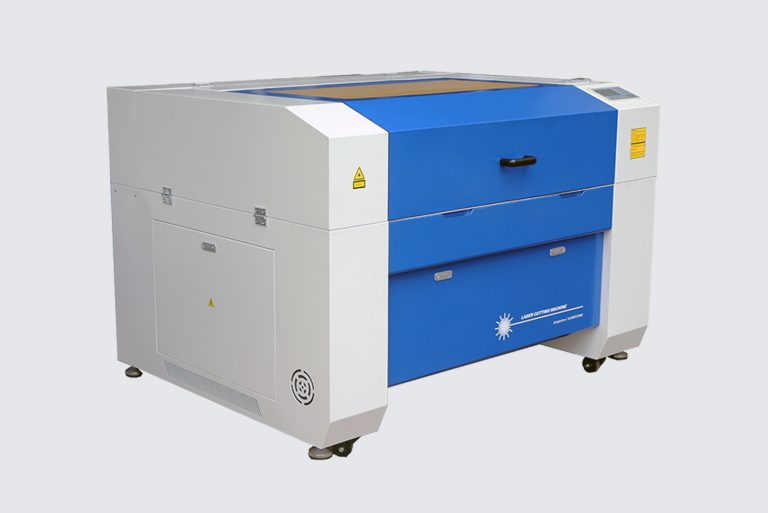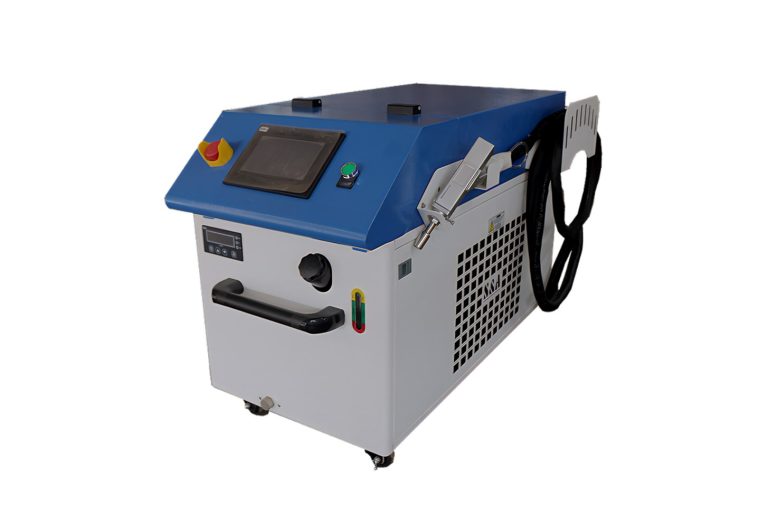
In the world of modern manufacturing, flat surfaces are just the beginning. While traditional lasers handle sheets beautifully, the leap into three-dimensional space has redefined what’s possible for complex engineering.
The Precision Revolution
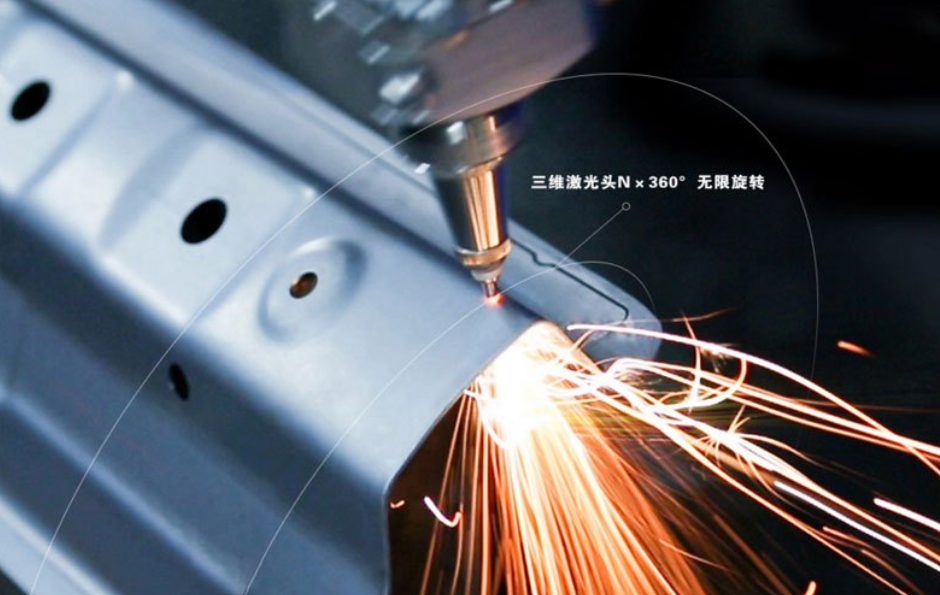
The manufacturing landscape has shifted toward intricate, multi-axis designs that demand more than a simple X and Y coordinate. This is where the 3D fiber laser cutting machine steps in, offering a level of spatial freedom that was previously impossible without expensive manual labor or restrictive dies.
Key Applications Across Industries
From the cars we drive to the planes we fly, this technology is the “silent partner” behind many high-performance components:
- Automotive Industry: Used extensively for trimming thermoformed parts, pillars, and bumpers. A 3D fiber laser cutting machine can navigate the curves of a vehicle’s body frame with surgical precision.
- Aerospace & Defense: Ideal for processing turbine blades and combustion chamber components where high-strength alloys must be cut at varying angles.
- Fitness & Furniture: Essential for cutting complex tubular structures used in gym equipment and modern architectural metalwork.
Why 3D Capability Matters
Beyond just “looking cool” while it works, the 3D fiber laser cutting machine offers tangible economic and technical advantages:
| Feature | Advantage |
| Multi-Axis Motion | Cuts at any angle (0–360°) without moving the workpiece. |
| No Tooling Wear | Unlike mechanical trimming, the laser never dulls or needs sharpening. |
| Heat Management | Fiber lasers provide a narrow heat-affected zone, preventing material warping. |
When manufacturers transition to a 3D fiber laser cutting machine, they often see a significant reduction in secondary processing time because the edges are clean enough to move straight to the welding or assembly stage.
Future-Proofing Production
As industries push for lighter, stronger, and more complex designs, the reliance on the 3D fiber laser cutting machine will only grow. It bridges the gap between digital design and physical reality, allowing engineers to dream in three dimensions without worrying about the limitations of the factory floor.