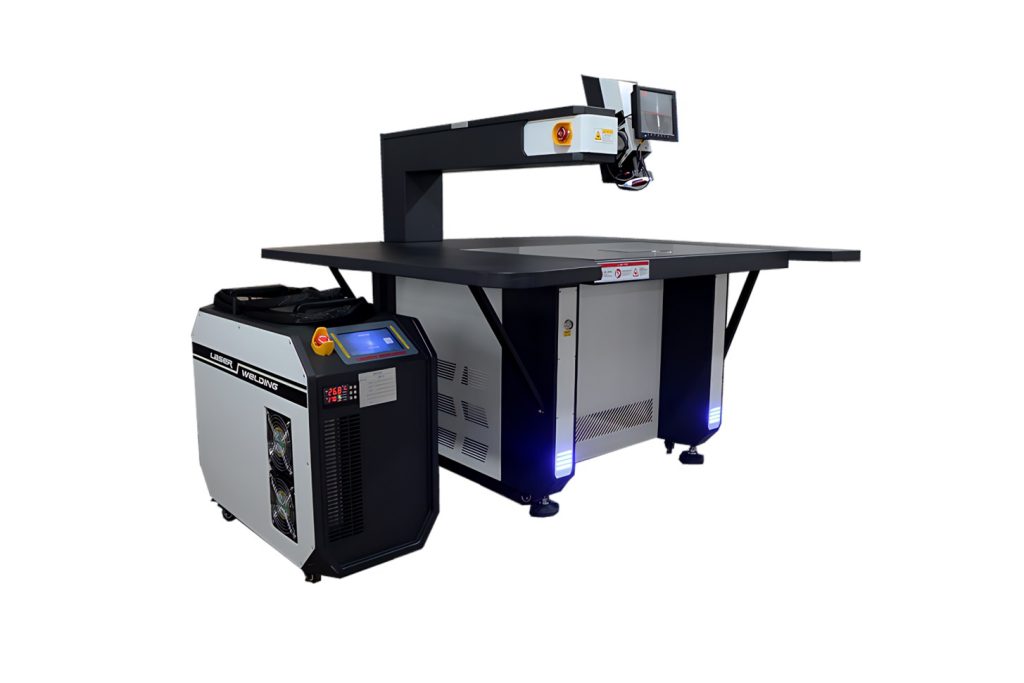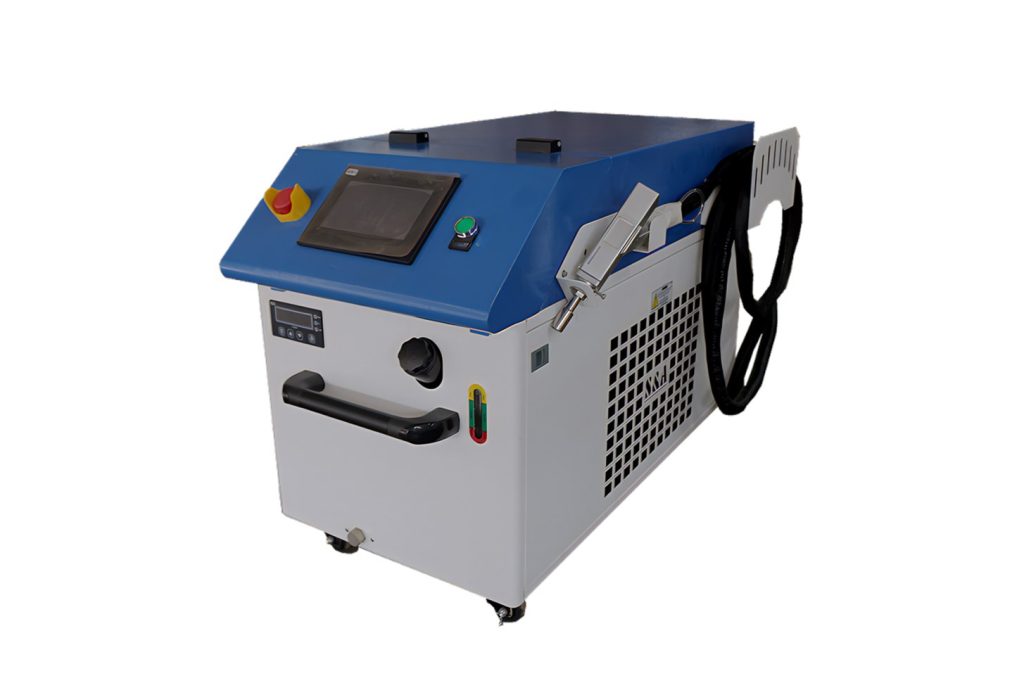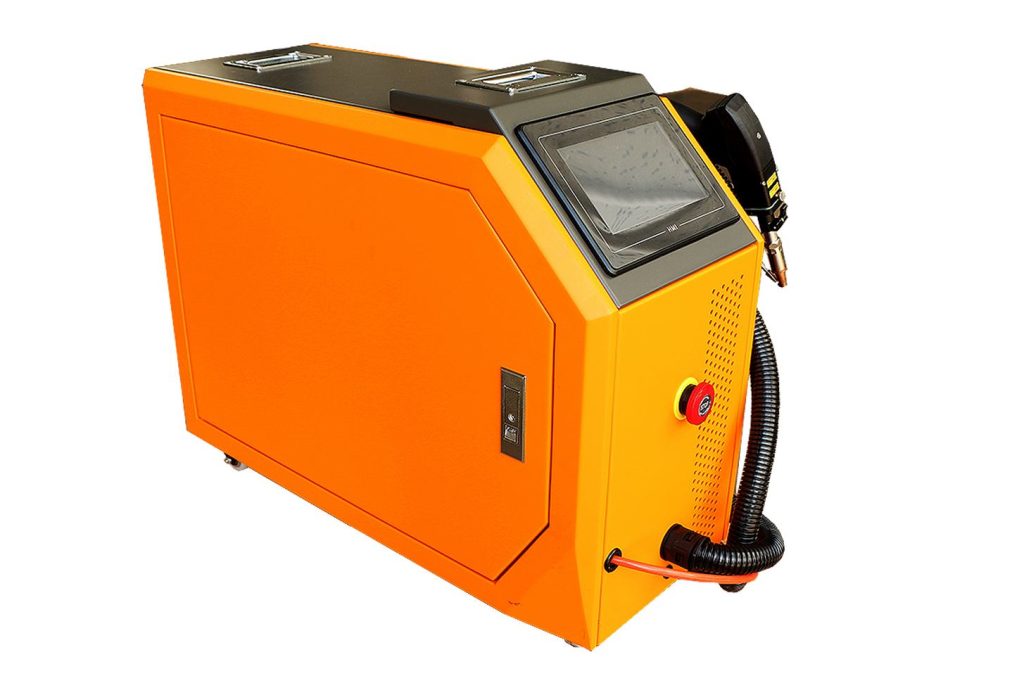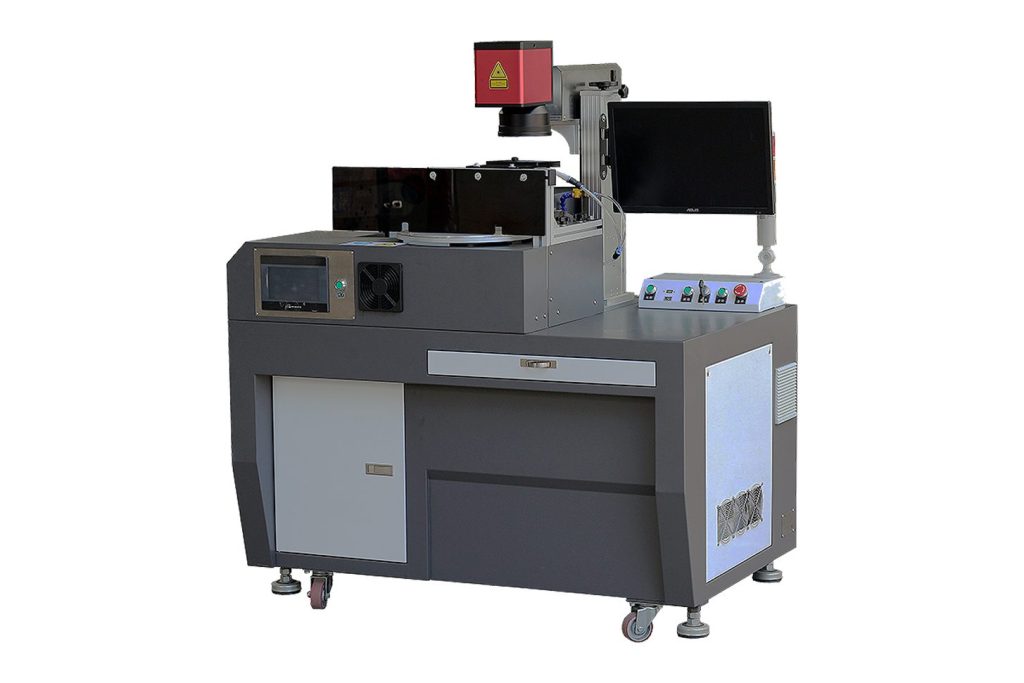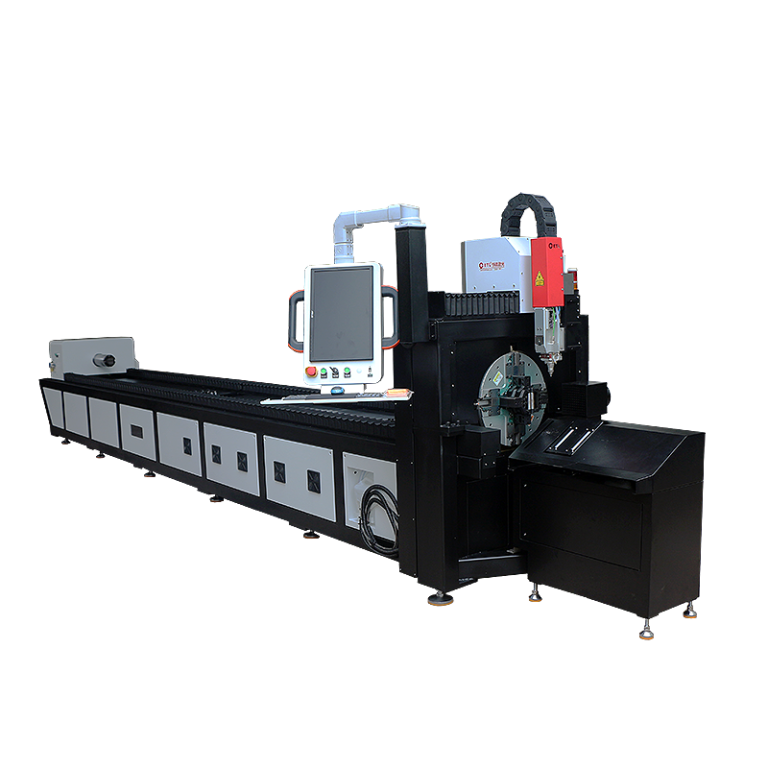
As the automotive world accelerates into 2026, the shift from internal combustion to electric propulsion has fundamentally changed the factory floor. At the heart of this transition is the battery pack—a complex assembly of thousands of individual parts that require extreme precision to function safely and efficiently. Laser welding technology has emerged as the critical driver of this manufacturing evolution, replacing traditional mechanical and thermal joining methods with a digital, non-contact solution.
1. The Precision of Cell and Tab Assembly
In the high-stakes environment of cell manufacturing, where foils can be as thin as $5\text{–}10 \mu\text{m}$, there is zero margin for error. Laser welding technology allows for the joining of battery tabs (nickel, copper, or aluminum) to cell terminals with surgical accuracy.
- Minimal Heat Impact: By focusing energy on a micron-sized spot, the laser prevents heat from reaching the sensitive electrolyte inside the cell.
- High Conductivity: Unlike mechanical crimping, a laser-welded joint offers superior electrical flow, which is essential for rapid charging and discharging.
- Zero-Contact Process: This prevents physical deformation of the delicate battery casing, maintaining the structural integrity of the cell.
2. Bridging the “Copper-Aluminum” Gap
One of the greatest challenges in battery production is the busbar—the highway that carries electricity between modules. These components often involve joining copper (high conductivity) and aluminum (low weight). Laser welding technology is uniquely capable of managing these dissimilar metals, which typically struggle to fuse using conventional arc welding.
| Feature | Resistance Spot Welding | Laser Welding |
| Material Versatility | Limited (struggles with Cu/Al) | Excellent (Cu, Al, Ni-plated) |
| Welding Speed | Slow; requires contact | Ultra-Fast (>10 cells per sec) |
| Joint Strength | Moderate | High (consistent pull strength) |
| Heat Zone (HAZ) | Wide; risks cell damage | Minimal; localized cooling |
3. Structural Sealing and Hermetic Integrity
Safety is the non-negotiable metric of 2026. Battery housings must be airtight and watertight to prevent thermal runaway and protect against environmental ingress. Laser welding technology provides the deep-penetration, spatter-free seams required for prismatic cell covers and pack enclosures.
- Hermetic Seals: Lasers produce “media-tight” joints that prevent moisture from entering the high-voltage interior.
- Structural Strength: The resulting welds are often stronger than the base material itself, allowing the battery pack to act as a structural member of the car’s chassis.
4. Technical Edge: Adjustable Ring Mode (ARM)
Modern fiber lasers utilize a beam-shaping technique known as Adjustable Ring Mode. This allows engineers to independently control the power of a “center” beam and a surrounding “ring” beam.
Technical Insight: By optimizing the power density ratio ($P_{center} / P_{ring}$), manufacturers can stabilize the “keyhole” of the weld pool. This eliminates the spatter and porosity that used to plague copper welding, ensuring a smooth, mirror-finish surface that requires no post-processing.
5. Throughput and the Future of Scalability
As global production ramps up to meet 2026’s sustainability goals, speed is the ultimate bottleneck. Because it is highly automatable and integrates seamlessly with AI-driven visual inspection systems, Laser welding technology is the only process that can keep up with a manufacturing line producing 40 to 60 battery cells per minute.
In conclusion, as we move away from traditional fossil fuels, the ability to build safer, lighter, and more efficient energy storage systems rests entirely on these beams of light.