In the automotive industry, laser marking has shifted from a “luxury” feature to a fundamental manufacturing requirement. Modern vehicles are essentially high-performance computers on wheels, requiring extreme durability and high-speed data tracking for every single component.
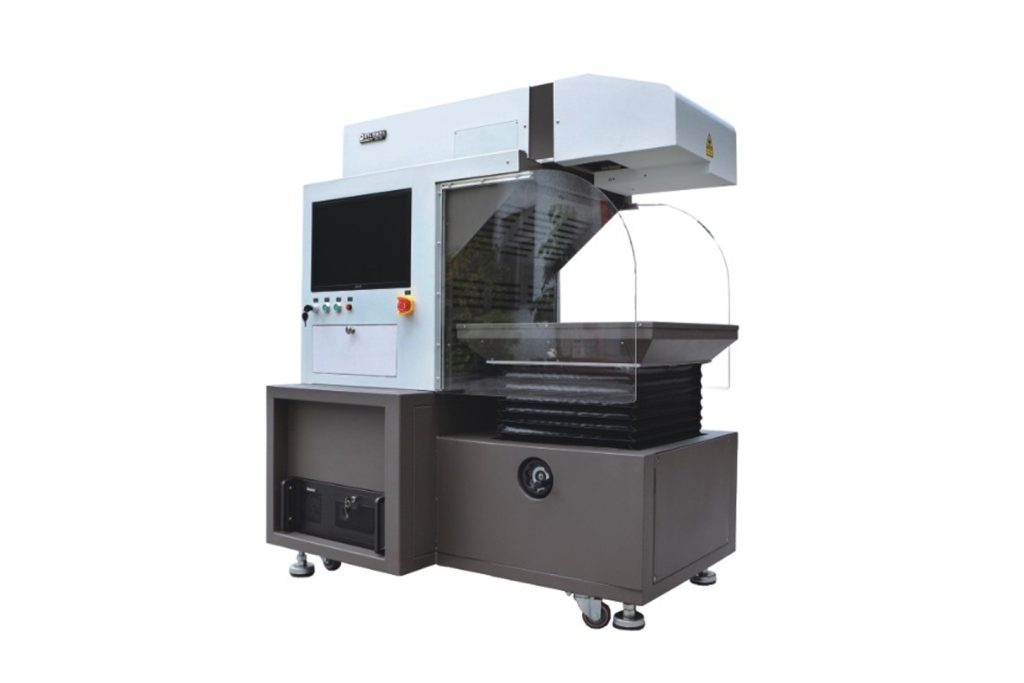
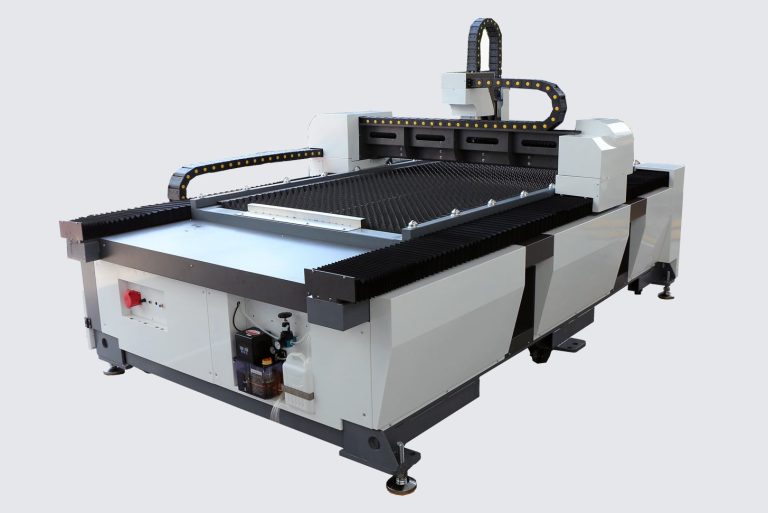
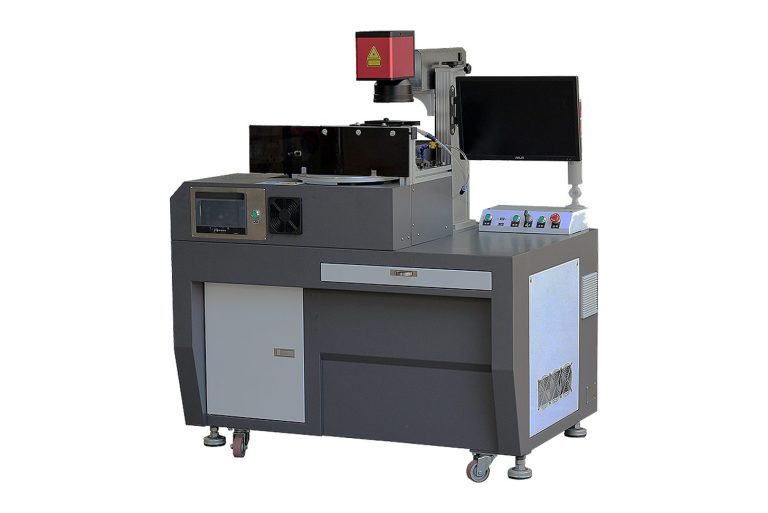
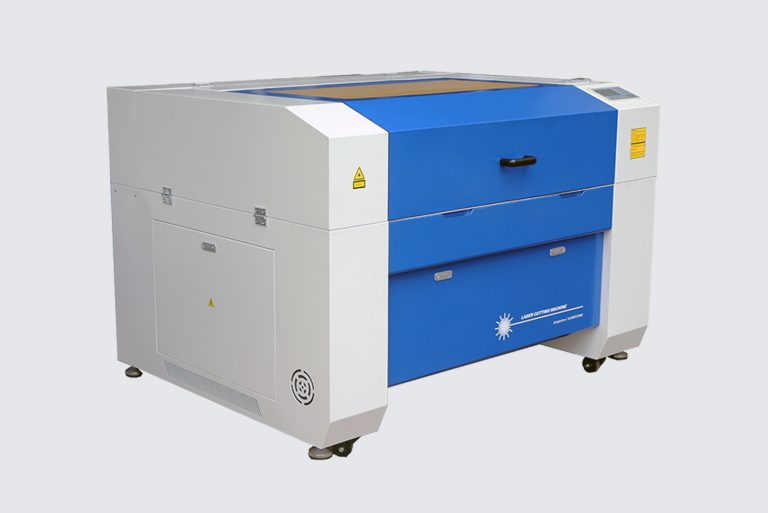
Application of laser marking machine in the field of automotive products,The following are the application methods of Ever Tech Laser’s laser marking machines in the entire automotive supply chain:
1. Traceability and “Birth Certificates”
The most critical application is Part Traceability. In the event of a recall, manufacturers must know exactly when, where, and by which machine a part was made.
- Engine & Powertrain: Laser marking 2D Data Matrix codes directly onto engine blocks, cylinder heads, and transmission components. These marks must survive extreme heat and oil exposure.
- Vehicle Identification Numbers (VIN): Lasers are used to mark the VIN on the chassis, door pillars, and even the windshield. This provides a permanent, tamper-proof ID that is much harder to alter than traditional stamped plates.+1
2. Aesthetics and Interior Design
Lasers aren’t just for heavy metal; they are used for high-precision interior finishes.
- Day/Night Design (Backlit Buttons): This is the most common “consumer-facing” application. A laser removes a thin layer of paint from a translucent plastic button (like the “AC” or “Volume” icon), allowing the LED light to shine through the icon at night.
- Leather and Fabrics: High-end interiors often use lasers to perforate leather seats for ventilation or to etch intricate decorative patterns that traditional stitching can’t achieve.
3. Safety-Critical Components
Safety parts require “low-stress” marking to ensure the structural integrity of the material is never compromised.
- Airbag Components: Lasers mark the inflator canisters and sensors. Because it’s a non-contact process, there is no risk of accidental deployment or mechanical deformation.
- Brake Systems: Marking brake pads and discs with batch codes ensures that counterfeit parts can be easily identified during maintenance.
Technical Comparison: Automotive Materials
| Material Type | Recommended Laser | Typical Application |
| Metals (Steel, Alum) | Fiber Laser | Engine parts, VIN marking, chassis components. |
| Plastics/Polymers | UV or Green Laser | Dashboard buttons, connectors, sensors (low heat). |
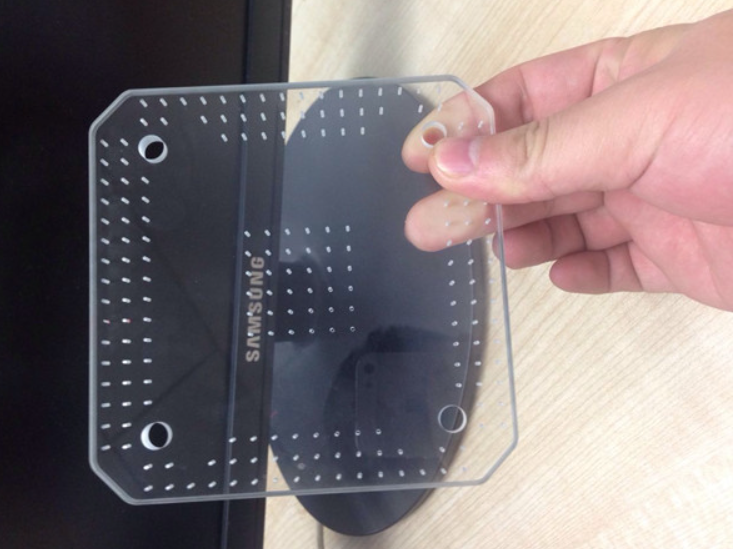
| Glass | CO2 or UV Laser | Windshield VINs, side mirrors, sunroof branding. |
| Electronic PCBs | Fiber/UV Laser | ECU boards, sensor housing, battery modules. |
The Shift Toward EV Production
With the rise of Electric Vehicles (EVs), laser marking has found a massive new niche in Battery Manufacturing. Lasers are used to mark individual battery cells and modules to monitor their health and chemistry throughout their lifespan. Since batteries are sensitive to heat, UV lasers are preferred to avoid any thermal stress on the lithium-ion cells.+1
🔍 Ever Tech Laser provides products