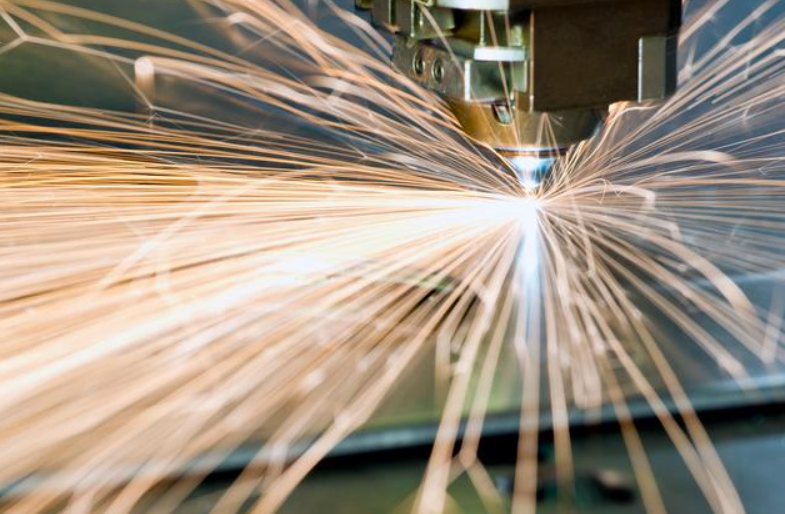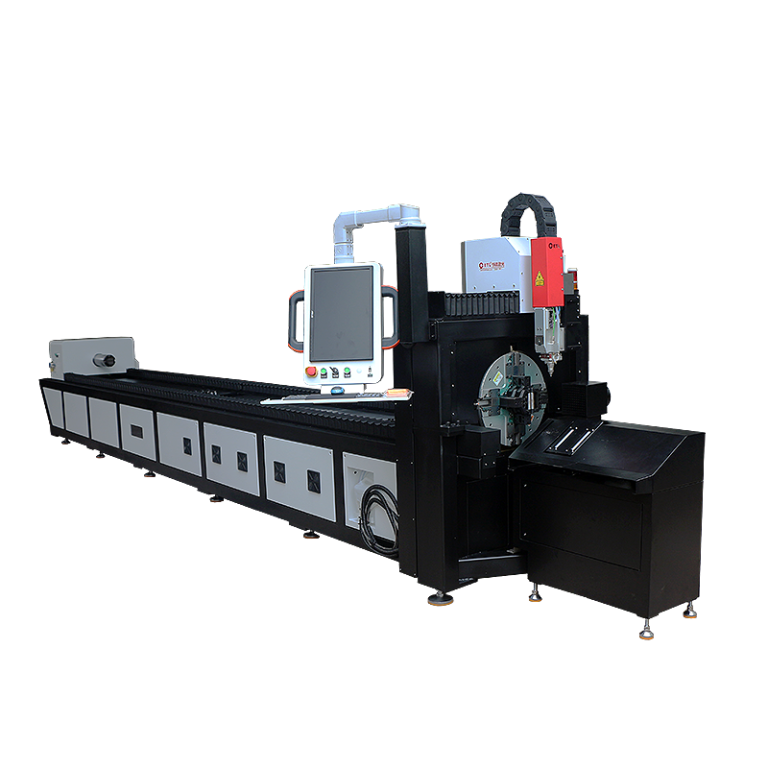
Fiber laser cutting machines utilize highly concentrated beams of light to melt or vaporize metal. The specific process used depends on the metal type, its thickness, and the desired edge quality. These processes are primarily categorized by the assist gas used and the thermal reaction triggered.
1. Primary Cutting Processes
The way a fiber laser cuts is defined by how the material is removed from the “kerf” (the cut path).
Fusion Cutting (Inert Gas Cutting)
- Mechanism: The laser melts the metal, and a high-pressure inert gas (typically Nitrogen or sometimes Argon) blows the molten material away.
- Characteristics: Since the gas is non-reactive, no oxidation occurs. This results in “clean” edges that are ready for painting or welding without secondary grinding.
- Best For: Stainless steel, aluminum, and thin mild steel where edge aesthetics are important.
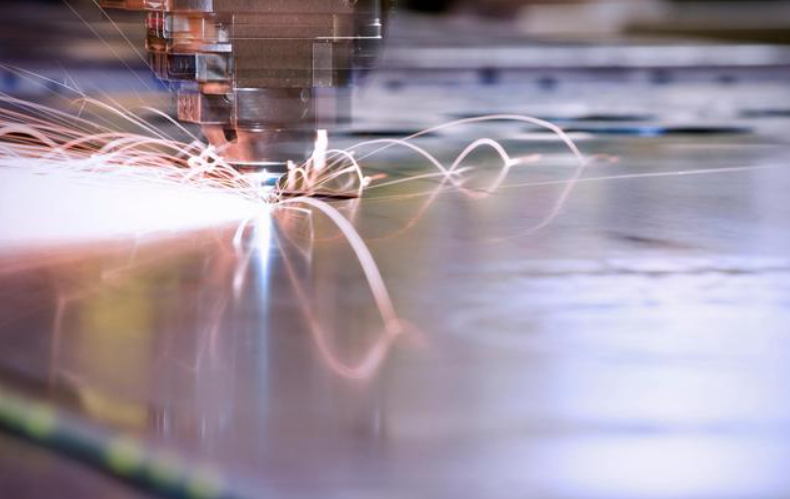
Flame Cutting (Oxygen Cutting)
- Mechanism: The laser acts as a pre-heating source, while Oxygen is used as the assist gas. The oxygen reacts with the hot metal in an exothermic reaction, releasing additional heat energy.
- Characteristics: This extra heat allows for cutting thicker materials (especially carbon steel) at lower laser power. However, it leaves an oxide layer on the edge that may need to be removed for downstream processes like powder coating.
- Best For: Thick carbon steel (mild steel).
Vaporization Cutting
- Mechanism: Uses ultra-high power density to heat the metal to its boiling point almost instantly, turning it into vapor.
- Characteristics: This process requires significantly more energy than melting. It is typically used for very thin materials or materials that do not melt (like wood or some plastics), but in fiber lasers, it is less common for thick metal due to the energy requirement.
2. Process by Metal Type
Different metals have unique thermal and reflective properties that dictate how the laser should be configured.
| Metal Type | Preferred Process | Key Challenge |
| Mild Steel | Oxygen (Flame) or Nitrogen (Fusion) | Oxygen is faster for thick sections; Nitrogen provides a cleaner edge for thin sheets. |
| Stainless Steel | Nitrogen (Fusion) | Requires high pressure to ensure dross-free edges and prevent discoloration. |
| Aluminum | Nitrogen (Fusion) | Highly reflective and thermally conductive; requires high power or pulsed mode. |
| Copper & Brass | Nitrogen or Oxygen | Extremely reflective. Often requires a “Pulsed Mode” to safely pierce the surface. |
3. Advanced Techniques
Pulsed Cutting Mode
For highly reflective metals like copper and brass, machines often use Pulsed Mode rather than a continuous wave. By delivering energy in short, intense bursts, the laser can break through the material’s initial reflectivity without allowing heat to build up and damage the machine’s internal optics through “back-reflection.”
High-Pressure Compressed Air Cutting
Many modern shops use high-pressure filtered compressed air as a cost-effective alternative to Nitrogen. It contains enough nitrogen to provide decent edge quality on thin stainless steel while being significantly cheaper than bottled gas.
Compressed Air Cutting Tips
If you are looking to save on operating costs, switching to compressed air for thin-gauge mild steel or aluminum is a popular choice, provided your compressor can maintain stable pressure and high air purity (oil-free and dry).
This video demonstrates the precision and speed of fiber laser technology when processing challenging reflective metals like brass and copper, showcasing the clean edge quality achievable with modern systems.