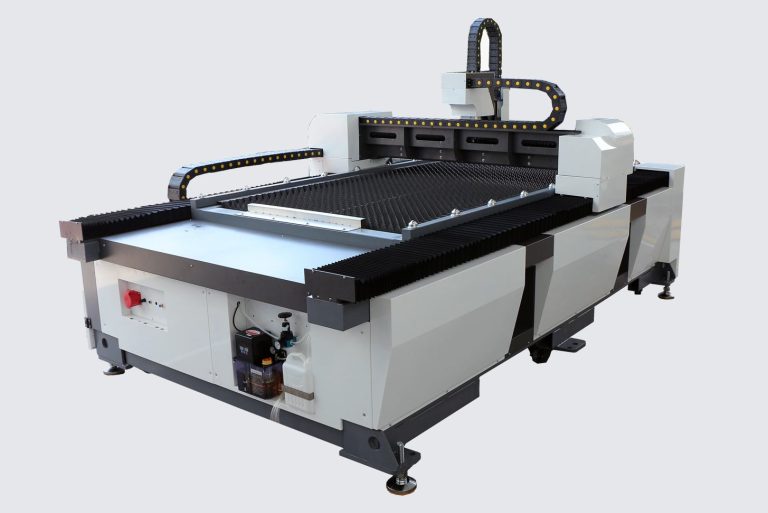
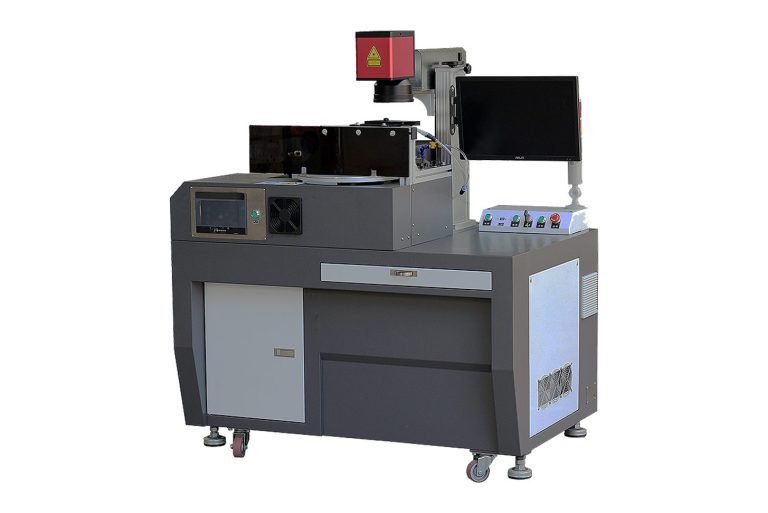
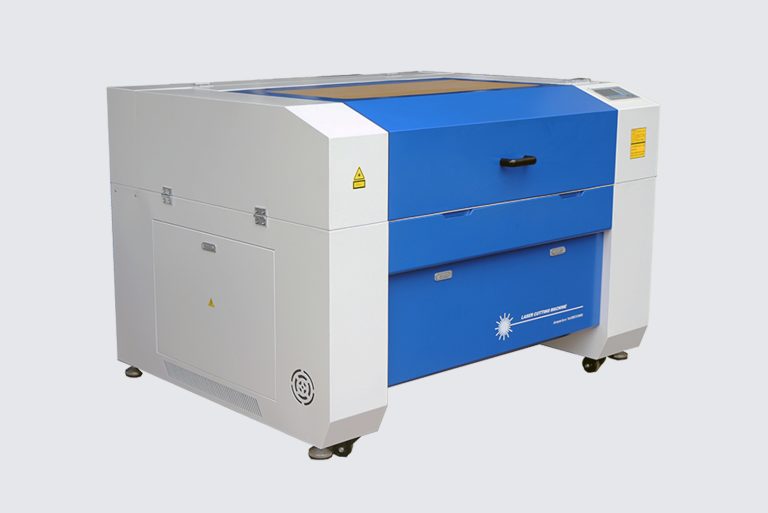
The laser processing technology utilized by laser cutting machines is a composite advanced manufacturing technology that integrates optics, mechanics, electronics, material processing, and inspection disciplines. Laser cutting replaces traditional mechanical knives with invisible light beams, featuring high precision, rapid cutting, no limitation on cutting patterns, automatic layout to save materials, smooth cuts, and low processing costs. It will gradually improve or replace traditional metal cutting process equipment.
Laser cutting technology has become an indispensable tool in the steel and metallurgical industries, offering unparalleled precision, efficiency, and versatility in processing a wide range of metals. This advanced manufacturing process utilizes a high-powered, focused laser beam to cut, engrave, or mark materials with exceptional accuracy, transforming production across various sectors.
Key Applications in Steel and Metallurgy
The application of laser cutting machines spans numerous facets of the steel and metallurgical industries, from heavy construction to intricate component manufacturing.
Industry
Applications
Structural Steel Fabrication
Precision cutting of thick steel plates for buildings, bridges, and industrial plants. Customization of steel beams, including cutting holes and slots for easier on-site assembly.
Automotive and Transportation
Manufacturing of car body panels, chassis components, and exhaust parts with high precision and repeatability. Rapid prototyping of steel components.
Shipbuilding and Marine
Cutting large and thick steel sheets for ship hulls and structural components, minimizing deformation due to the narrow heat-affected zone.
Industrial Equipment and Machinery
Production of custom steel enclosures and components for various machinery.
Energy and Power Infrastructure
Fabrication of components for power generation systems, such as turbine blades and heat exchanger plates, often from high-strength steel.
Metal Furniture and Decoration
Creation of intricate designs and patterns in metal panels for decorative purposes and manufacturing frames and structural parts for furniture.
Advantages Over Traditional Methods
Laser cutting offers significant advantages over conventional cutting methods like sawing, milling, and plasma cutting.
Advantage
Description
Exceptional Precision and Accuracy
Achieves tight tolerances, with some machines capable of accuracy as high as ±0.1 mm. This allows for the creation of complex and intricate geometries.
High Speed and Efficiency
Laser cutting is significantly faster than traditional methods, especially for materials under 3/8″ thick, leading to shorter production times and increased output.
Superior Edge Quality
Produces clean, smooth, and burr-free edges, reducing the need for secondary finishing processes.
Material Versatility
Capable of cutting a wide range of metals, including stainless steel, carbon steel, aluminum, copper, brass, and various alloys.
Reduced Material Waste
The precision of the laser beam and the use of nesting software to optimize cutting paths lead to more efficient material utilization.
Automation and Flexibility
CNC and CAD/CAM integration enables automated, continuous operation and allows for quick changes between different designs and materials, making it suitable for both large production runs and custom jobs.
Cost-Effectiveness
While the initial investment is high, the long-term benefits of reduced labor costs, lower maintenance, and increased efficiency make it a cost-effective solution.
Common Types of Laser Cutting Machines for Metal
The choice of laser cutting machine depends on the specific material and application requirements.
Laser Type
Description
Fiber Lasers
The most popular choice for cutting metals due to their high speed, precision, and ability to cut reflective materials. They are energy-efficient and require less maintenance.
CO2 Lasers
Versatile and suitable for cutting both metals and non-metals. While not as fast as fiber lasers for metal cutting, they are a good option for a wide range of applications.
Nd:YAG/Nd:YVO Lasers (Crystal Lasers)
These solid-state lasers offer high cutting power and are effective for cutting metals, non-metals, and some ceramics. They are known for their precision and quality finishes.
Direct Diode Lasers (DDL)
Known for their energy efficiency and compact size, DDLs are effective for high-speed cutting of thin metal sheets.
Discover high-precision Fiber laser pipe cutting machines designed for rapid and accurate processing of metal tubes. Enhance your production with advanced fiber technology, ensuring clean cuts and minimal waste. Explore our versatile range of automated tube laser solutions today.
The expansion of the application fields of pre laser welding mainly applies to manufacturing applications, powder metallurgy, automotive industry, electronics industry, biomedical, and other fields such as laser welding of BT20 titanium alloy [22], HEI30 alloy [23], Li ion battery [24], etc.
Selecting the right optics for your CO2 laser is the single most critical factor in achieving high-quality cuts on plastics, particularly for materials like acrylic (PMMA) where edge finish is paramount.
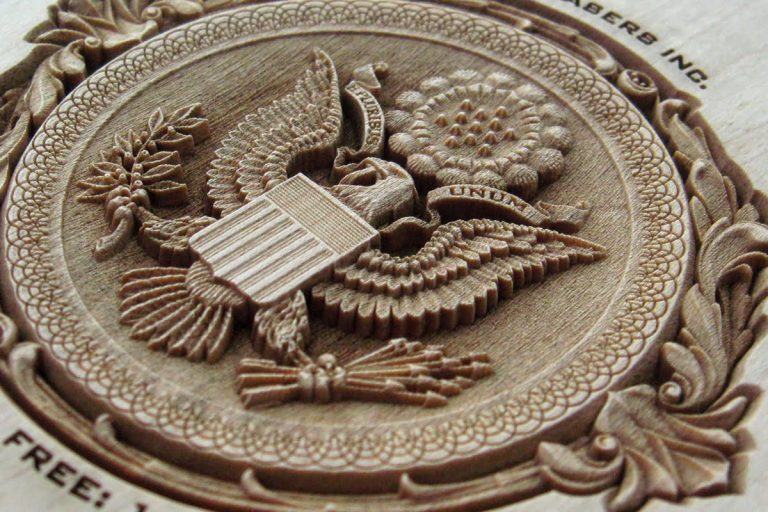
Unlock new dimensions with 3D Laser Engraving. Create breathtaking, high-definition reliefs and intricate internal carvings in glass, crystal, and wood. Elevate your awards and trophies with premium depth and lifelike detail. Discover the future of precision engraving today!
Application of laser marking machine in the field of automotive products,In the automotive industry, laser marking has shifted from a “luxury” feature to a fundamental manufacturing requirement. Modern vehicles are essentially high-performance computers on wheels, requiring extreme durability and high-speed data tracking for every single component.
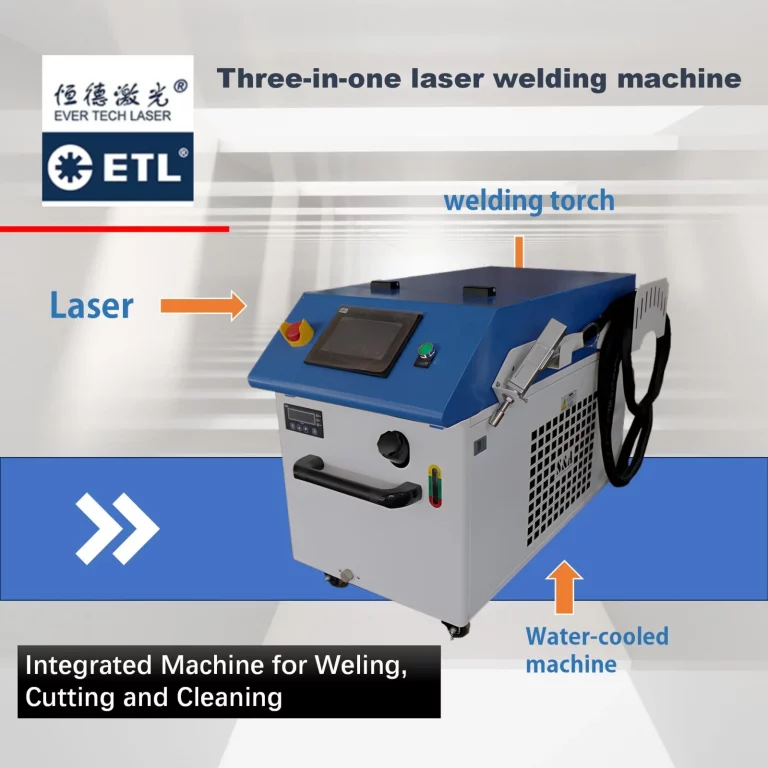
In the high-speed lane of 2026 automotive manufacturing, versatility isn’t just a “nice-to-have”—it’s the whole game. The 3-in-1 laser welding cutting cleaning machine has effectively become the “Swiss Army Knife” of the factory floor, consolidating three vital fiber laser processes into a single, agile system that handles everything from EV batteries to chassis repair.