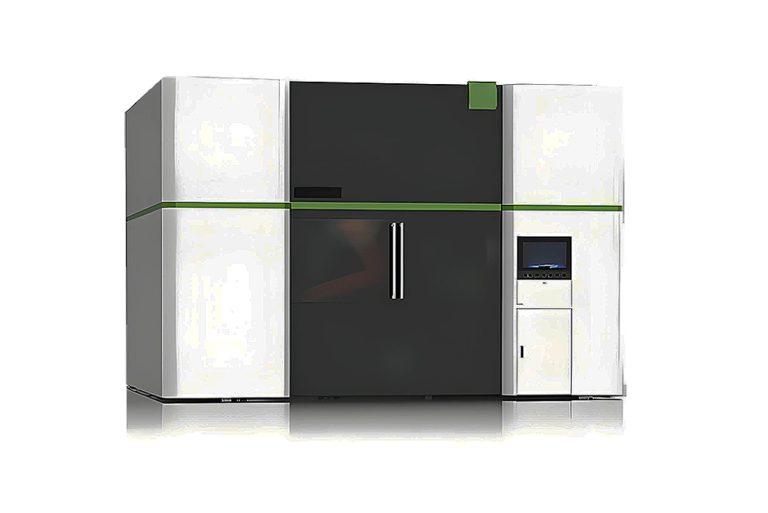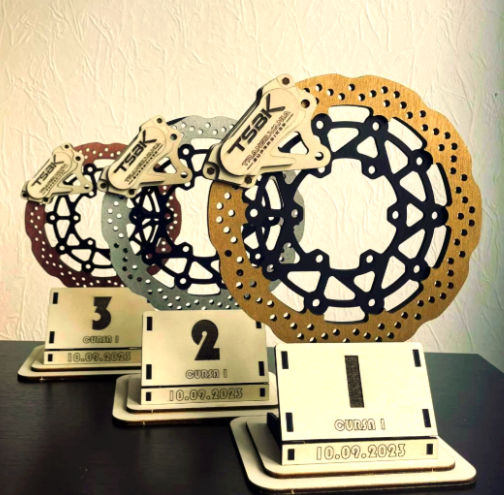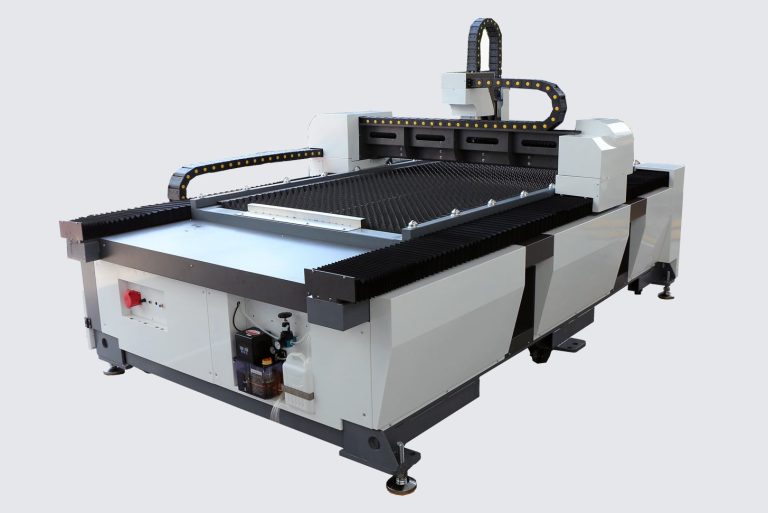
When referring to the “function” of a fiber laser in cutting, fiber laser cutting can mean two things: how the technology works (the core mechanism) or the specialized software features (functions) that make these machines efficient.
Here is an explanation of both, with a focus on the practical functions you use during operation.
1. The Core “Fiber” Mechanism (How it Works)
The “function” of the fiber itself is to generate and deliver the beam without the complex mirrors used in CO2 lasers.
- Generation: The laser is created inside an active optical fiber doped with rare-earth elements (like Ytterbium). This acts as the “engine.”
- Delivery: The beam travels through a flexible fiber optic cable directly to the cutting head. This “delivery function” eliminates the need for beam alignment maintenance.
- Wavelength Function: It outputs a wavelength of 1.064 micrometers. This specific wavelength is absorbed extremely well by metals (steel, aluminum, copper), which is why fiber lasers cut metal faster than CO2 lasers.
2. Six Practical Operational Functions
In the context of operating a fiber laser (using software like CypCut), “Fiber Functions” often refers to these specific smart features designed to speed up production:
1. Leapfrog (Frog Jump)
- Function: Instead of lifting the head up, moving it over, and dropping it down (a square path) between cuts, the head moves in a parabolic arc (like a frog jumping).
- Benefit: This eliminates the pause time for lifting and lowering the Z-axis. It is the single most effective function for reducing idle time, often doubling the efficiency on sheets with many holes.
2. Fly Cutting (Scanning Cutting)
- Function: For sheets with grid patterns or many holes, the laser head moves at a constant high speed in a straight line. The laser turns on and off rapidly to cut the holes without stopping or slowing down for each one.
- Benefit: Dramatically increases speed for perforated sheets or grill patterns.
3. Automatic Edge Seeking
- Function: You do not need to align the heavy metal sheet perfectly straight on the bed. The machine’s capacitive sensor measures three points on the sheet’s edge to calculate its angle of inclination.
- Benefit: The software automatically rotates the drawing to match the skewed sheet, saving you the physical effort of aligning heavy materials.
4. Common Line Cutting (Co-edging)
- Function: If you are cutting multiple square or rectangular parts, the software arranges them so they share a cut line.
- Benefit: You cut one line instead of two. This saves roughly 30-40% of cutting time and gas, and significantly reduces material waste.
5. Micro-Joint (Bridge)
- Function: The laser automatically skips a tiny section (e.g., 0.2mm) of the cut path.
- Benefit: This keeps small parts attached to the main “skeleton” of the sheet so they don’t tip up and hit the laser head, or fall through the slats of the bed.
6. Auto-Focus
- Function: The cutting head automatically adjusts the internal lens position to change the focal point based on the material thickness entered in the software.
- Benefit: You do not need to manually adjust the focus wheel when switching from 1mm stainless to 10mm carbon steel. It also allows for “zoom piercing,” where the focus changes during the piercing process to prevent slag explosion.