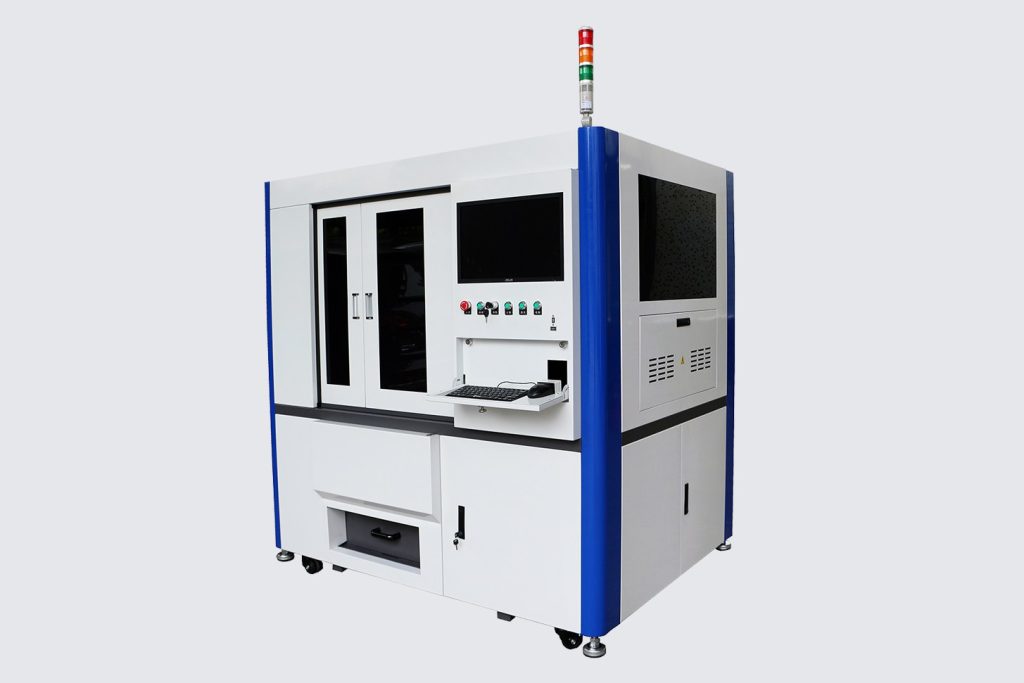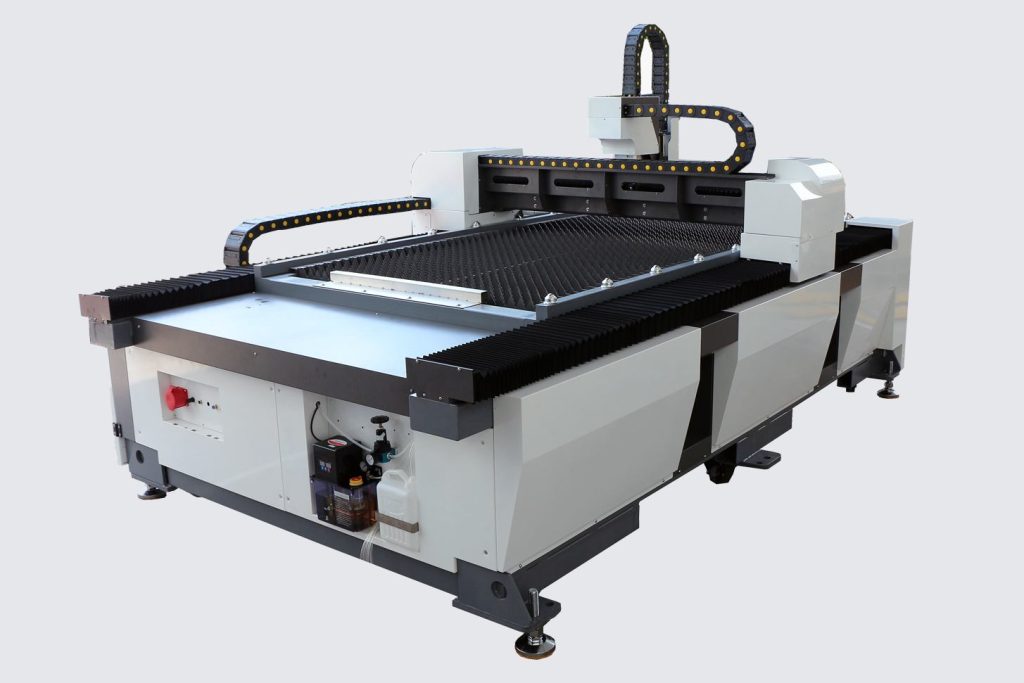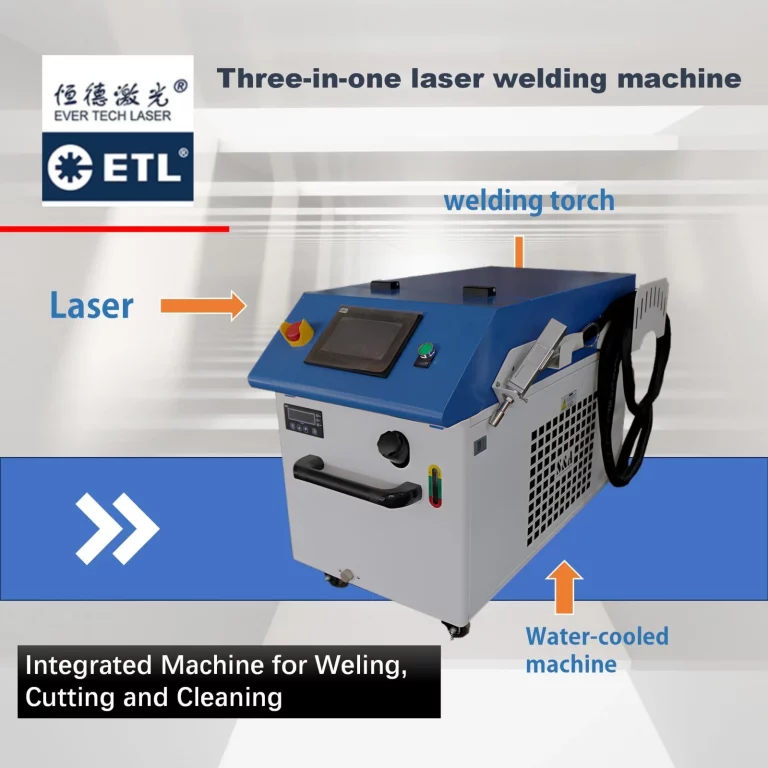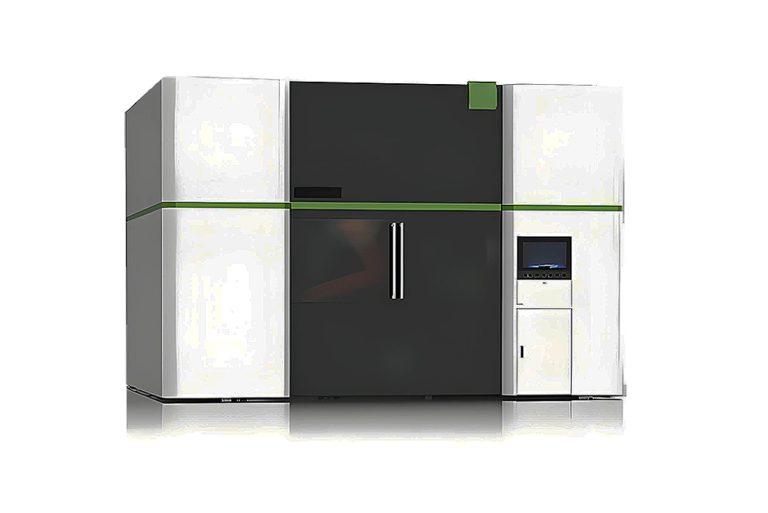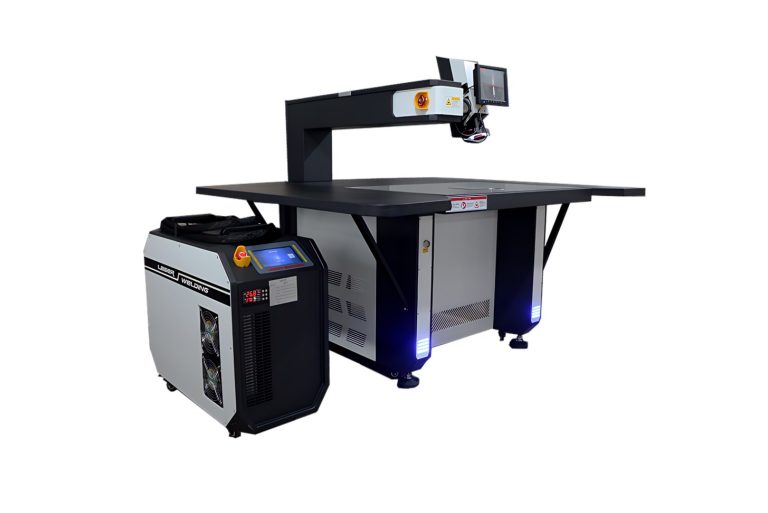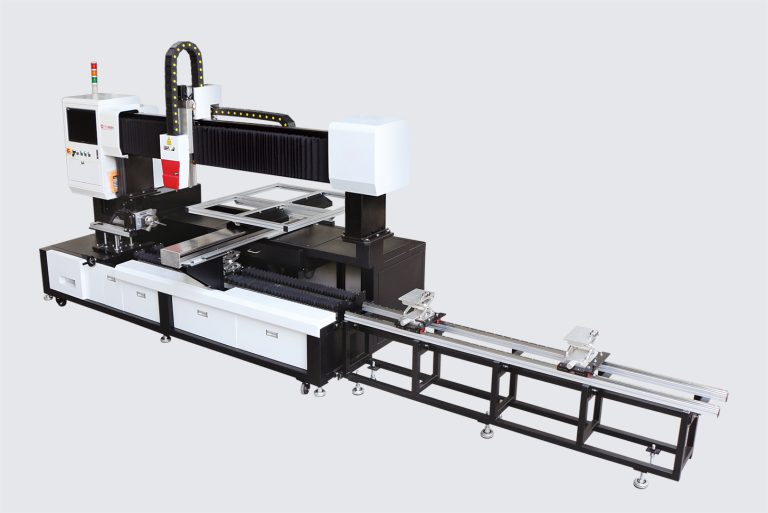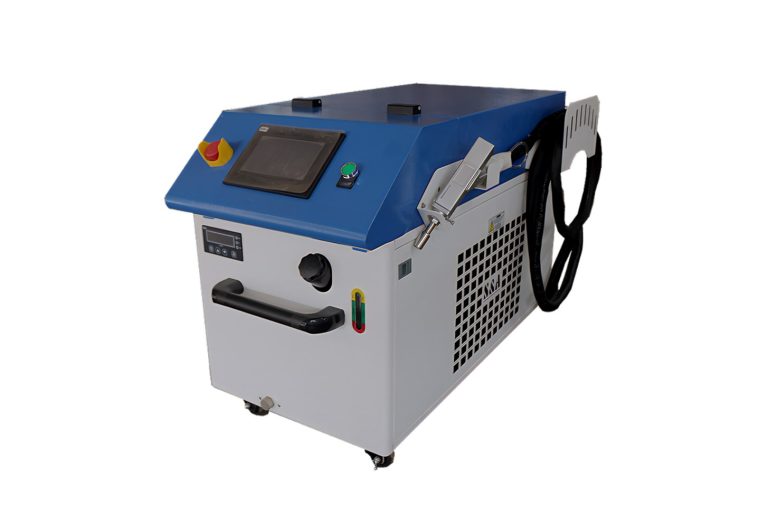
A fiber laser cutting machine is a highly efficient, solid-state industrial cutter designed specifically for processing metals.
Unlike the CO2 laser you asked about previously (which uses gas and mirrors), a fiber laser generates its beam inside an active optical fiber and delivers it directly to the cutting head via a flexible cable.
This difference makes it the modern industry standard for metal fabrication due to its speed, precision, and low maintenance.
Key Working Principle
- Generation: Laser light is generated by banks of diodes and amplified within a fiber cable doped with rare-earth elements (typically Ytterbium).
- Delivery: The beam is transported via a fiber optic cable directly to the cutting head without the need for complex mirror alignments.
- Wavelength: It operates at a wavelength of 1.064 micrometers (µm). This is 10x shorter than a CO2 laser (10.6 µm), allowing the beam to be absorbed extremely efficiently by metals, including highly reflective ones.
What Can It Cut? (The “Metal Specialist”)
While your CO2 laser is the master of plastics and wood, the Fiber laser is the master of metals.
- Carbon Steel & Stainless Steel: Cuts with extreme speed and precision.
- Aluminum: Cuts easily (unlike older CO2s which struggled).
- Reflective Metals (Copper & Brass): The fiber wavelength is not reflected back into the source as easily as with CO2, making it safe and efficient to cut these highly reflective materials.
- Non-Metals (Limitations): It is NOT suitable for transparent materials like Acrylic or Polycarbonate. The 1.064µm wavelength passes right through clear plastic without cutting it. It can mark some opaque plastics, but it cannot cut them.
Key Advantages over CO2
Critical Components & Maintenance
Since you are familiar with troubleshooting, here are the specific areas of a Fiber Laser that require attention:
- Protective Windows (Cover Glass):
The most critical consumable. This cheap glass shield protects the expensive focusing lens from back-splatter. It must be checked daily and changed immediately if dirty to prevent the “No Light Output” or lens burning issues mentioned earlier. - Fiber Source (IPG, Raycus, Max):
Generally maintenance-free, but highly sensitive to back-reflection. Never cut highly reflective materials (copper/brass) if the material is not flat or if the focus is significantly off. - Cutting Head (Auto-Focus):
Modern fiber heads (like Raytools or Precitec) have motorized internal lenses. Keep the head sealed; never open it in a dirty environment. - Chiller:
Fiber lasers often have a dual-circuit chiller: one circuit cools the laser source (cool) and a separate circuit cools the cutting head optics (slightly warmer to prevent condensation).
Summary
If you are running a shop that processes sheet metal (steel, stainless, aluminum) and you want to reduce maintenance and power costs, the Fiber Laser is the correct tool.
If your primary work is signage (acrylic) or wood, you must stick with CO2.