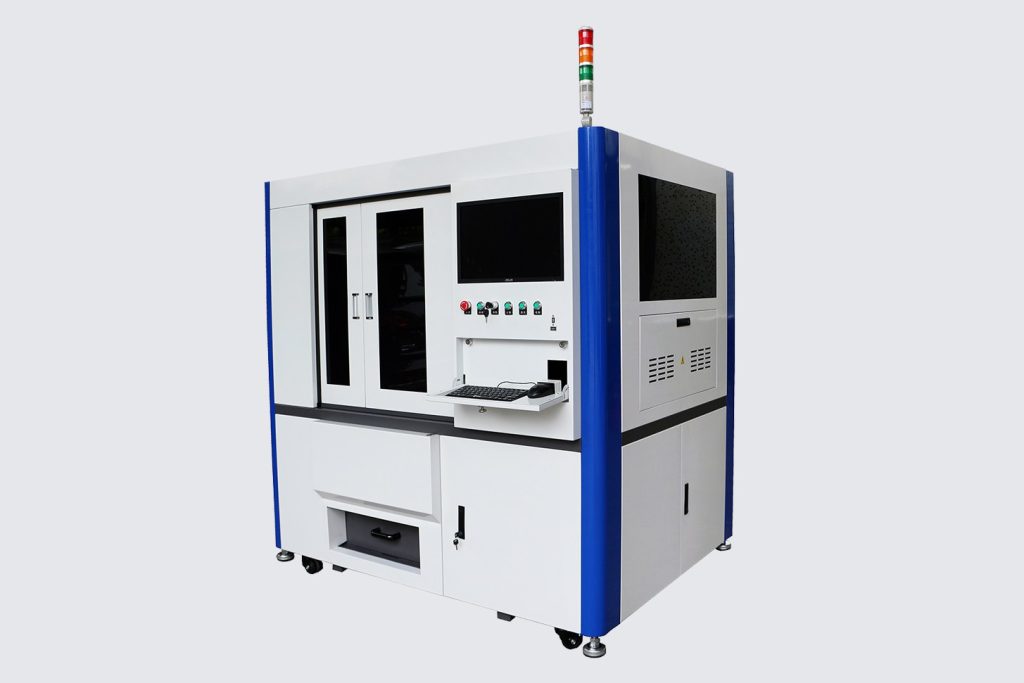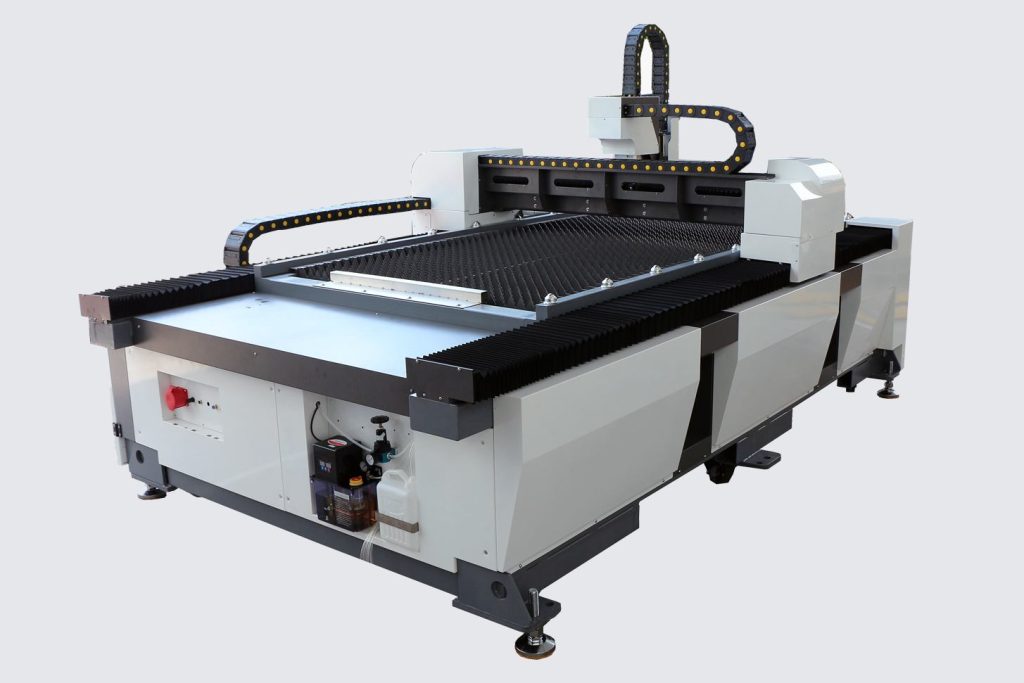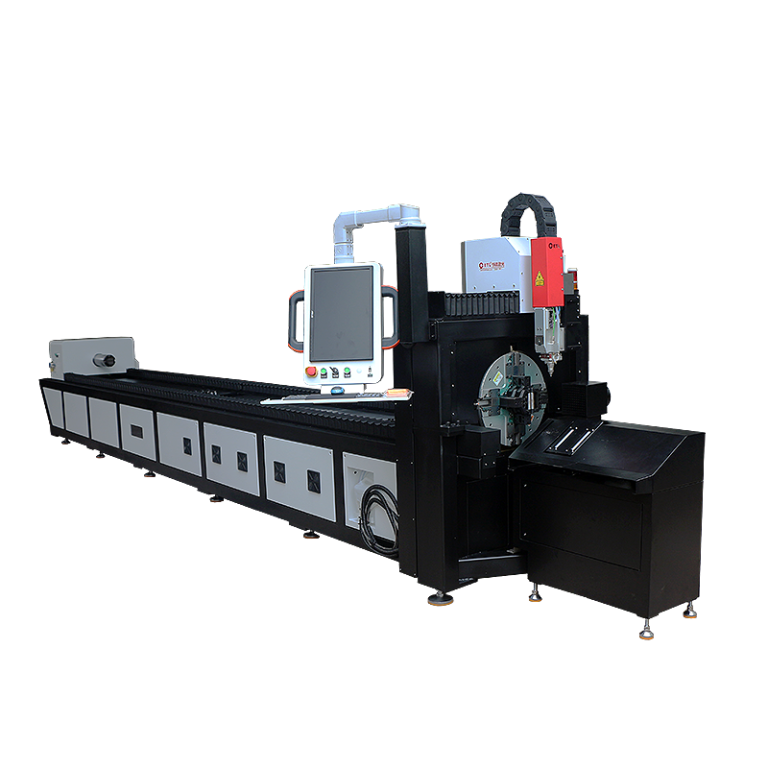
Improving the cutting quality and efficiency of a Baichao (Bystronic) fiber laser cutting machine involves a combination of optimizing machine parameters, using high-quality consumables, and implementing proper maintenance procedures. Here are the key secrets to achieving superior results:
1. Mastering Machine Parameters
The core of high-quality and efficient cutting lies in the precise control of the machine’s settings. These parameters must be adjusted based on the material type, thickness, and desired outcome.
Cutting Speed
- Too Fast: If the cutting speed is too high, the laser beam won’t have enough time to penetrate the material fully, resulting in incomplete cuts or dross (unmelted material) on the bottom edge.
- Too Slow: Conversely, a speed that is too slow can cause the material to overheat, leading to a wider kerf (the width of the cut), rough edges, and excessive melting.
- The Secret: The optimal cutting speed creates a clean, narrow kerf with minimal dross. It’s essential to find the “sweet spot” where the speed is as fast as possible without sacrificing cut quality.
Laser Power
- Power and Thickness: The laser power must be appropriate for the material’s thickness. Thicker materials require higher power to ensure a clean cut.
- The Secret: Using the correct power level is crucial. Too much power can lead to a wider heat-affected zone and rougher edges, while insufficient power will result in a failure to cut through the material.
Focus Position
- Above, At, or Below the Surface: The focal point of the laser can be set above, at, or below the surface of the material.
- Positive Focus (Above): Generally used for cutting thicker carbon steel, as it creates a wider cut at the top and narrows as it goes down, facilitating oxygen flow and slag removal.
- Negative Focus (Below): Often preferred for cutting stainless steel and other alloys, as it produces a smoother cut surface.
- Zero Focus (At the Surface): Typically used for thin materials.
- The Secret: The focus position significantly impacts the cut’s cross-section and surface finish. Experimenting with small adjustments to the focus can dramatically improve edge quality.
Assist Gas Type and Pressure
- Oxygen: Used for cutting carbon steel. The exothermic reaction with the iron helps to speed up the cutting process. The pressure needs to be optimized to blow out the molten metal without cooling the cutting edge too much.
- Nitrogen: Used for cutting stainless steel, aluminum, and other non-ferrous metals. It acts as a shielding gas, preventing oxidation and resulting in a clean, burr-free edge with no discoloration. Higher pressure is generally needed to clear the molten material effectively.
- Air: A cost-effective option for cutting thin materials where edge quality is not the absolute top priority.
- The Secret: The right gas at the correct pressure is critical. For a “mirror-like” finish on stainless steel, high-purity nitrogen at a high pressure is non-negotiable. For carbon steel, the oxygen pressure must be carefully balanced to assist the cut without causing excessive burning.
2. High-Quality Consumables and Maintenance
The performance of your Baichao machine is only as good as the components you use and how well you maintain them.
Nozzles
- Aperture and Type: The nozzle aperture (opening size) must be appropriate for the material thickness. A smaller aperture is generally used for thinner materials to achieve a finer cut, while a larger aperture is used for thicker materials to allow for higher gas flow.
- Condition: A worn or damaged nozzle can disrupt the gas flow, leading to poor cut quality and dross.
- The Secret: Regularly inspect and clean the nozzle. Replace it as soon as it shows signs of wear. Using high-quality, precision-machined nozzles ensures a consistent and well-directed gas jet.
Protective Lens
- Cleanliness: The protective lens shields the expensive focusing lens from spatter and debris. A dirty or contaminated protective lens will absorb laser energy, leading to overheating, potential damage to the optics, and a significant drop in cutting power and quality.
- The Secret: Establish a strict cleaning schedule for the protective lens. Handle it with care and use only the recommended cleaning supplies. Replace it immediately if it becomes damaged or cannot be cleaned properly.
Machine Maintenance and Calibration
- Beam Alignment: Ensure that the laser beam is perfectly centered through the nozzle. A misaligned beam will result in inconsistent cut quality, especially when cutting intricate shapes or in different areas of the cutting table.
- The Secret: Perform regular beam alignment checks as part of your preventative maintenance routine. A perfectly centered beam is fundamental to achieving high-quality cuts.
3. Advanced Techniques and Software Features
Leverage the advanced capabilities of your Baichao (Bystronic) software to boost efficiency.
- Nesting: Use nesting software to arrange parts on a sheet in the most efficient way possible, minimizing material waste.
- Fly-Cutting (Jumping Cut): For cutting grids or patterns of holes, fly-cutting allows the laser head to move continuously from one cut to the next without stopping, dramatically reducing cutting time.
- Lead-ins and Lead-outs: The way the laser pierces the material and exits the cut can affect the edge quality at that point. Optimize the length and angle of lead-ins and lead-outs to avoid blemishes on the part’s contour.
By systematically addressing these areas—mastering the interplay of machine parameters, maintaining the machine and its consumables meticulously, and utilizing advanced software features— you can unlock the full potential of your Baichao fiber laser cutting machine, achieving both exceptional quality and maximum efficiency.