CO2 Laser Cutting Revolutionizes the Lighting Industry
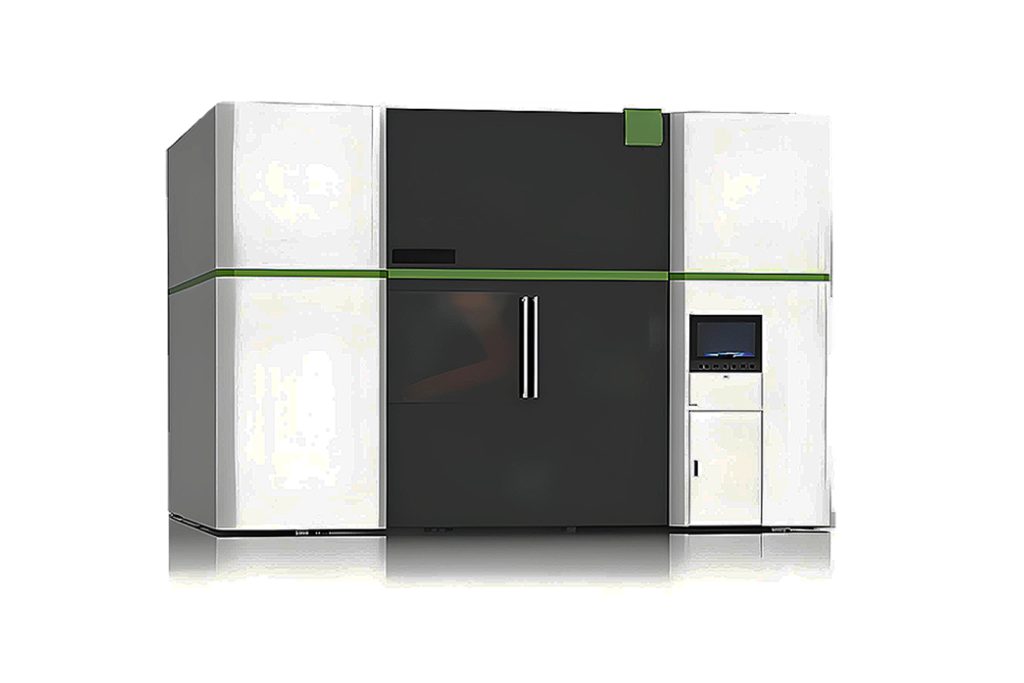
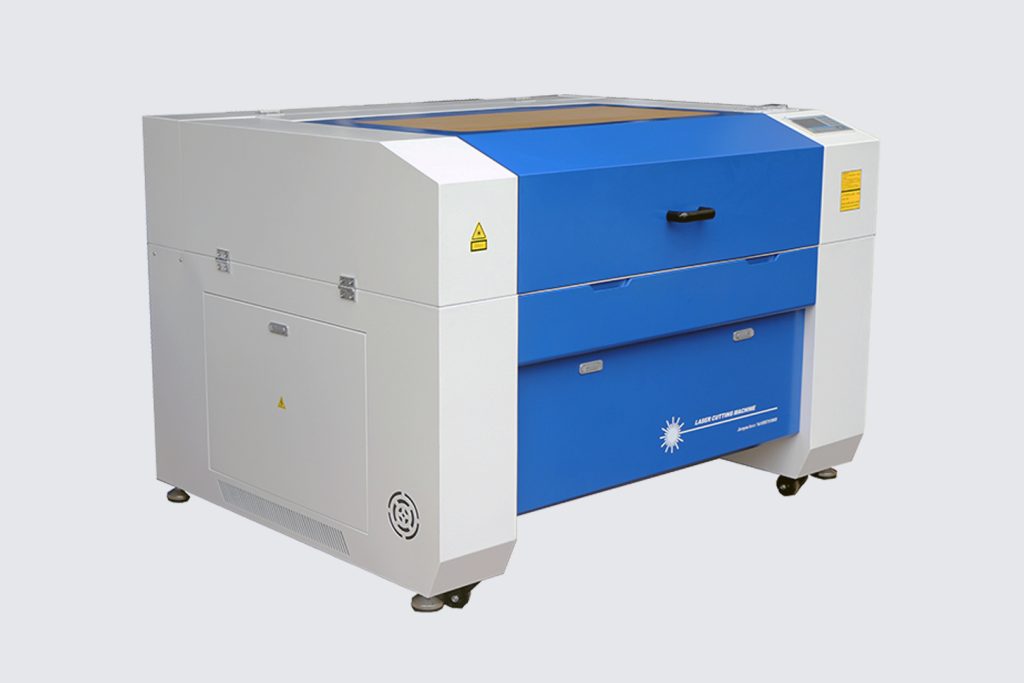
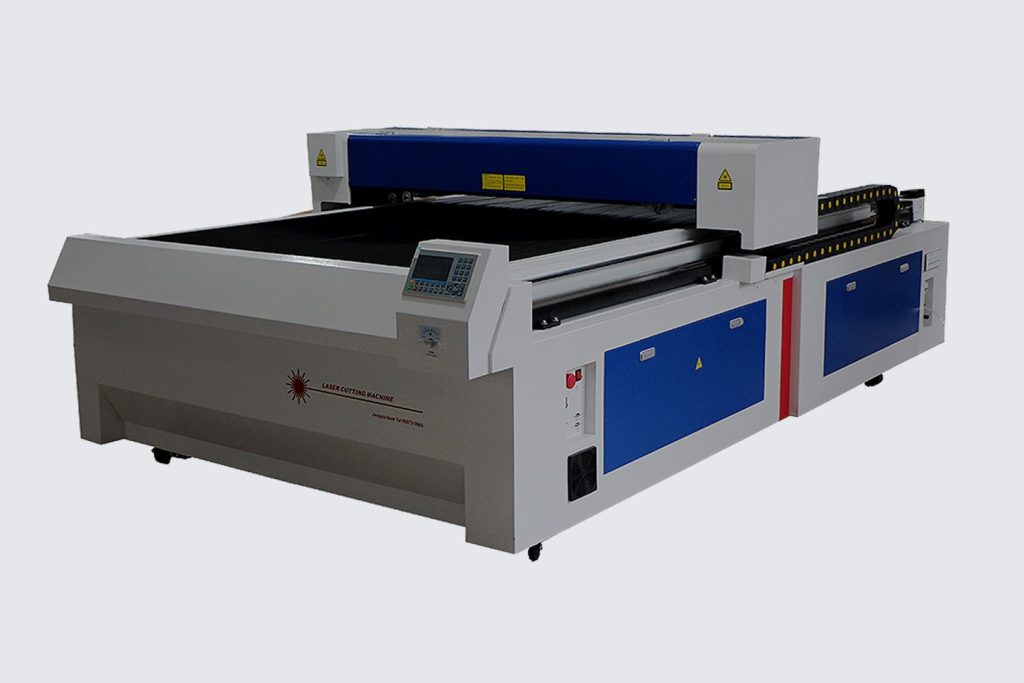
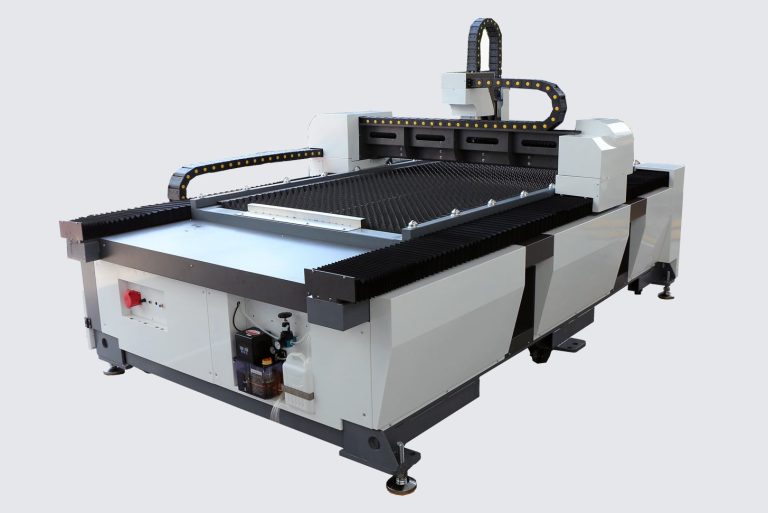
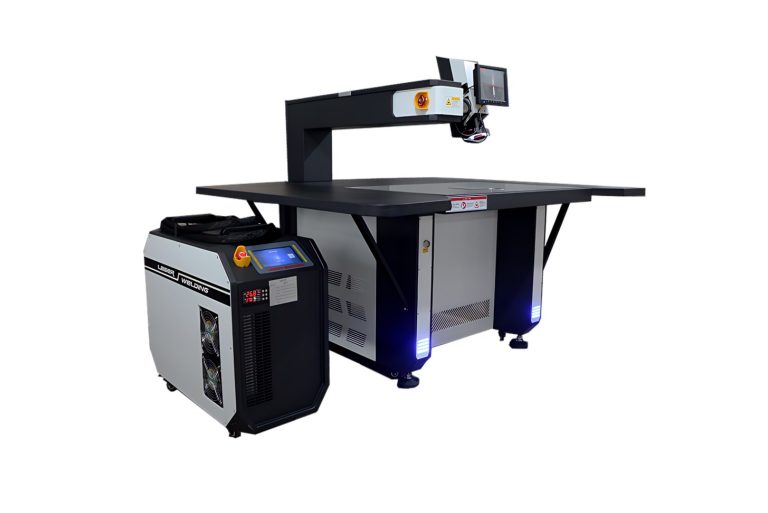
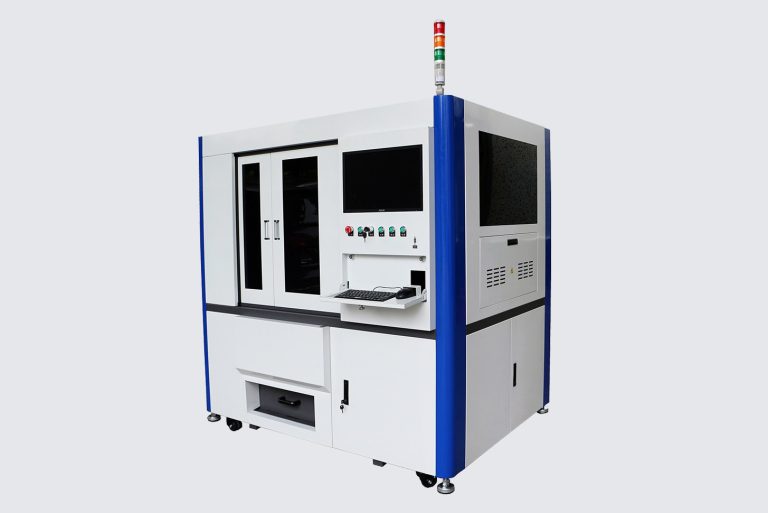
CO2 laser cutting has become a cornerstone technology in the lighting industry, offering unparalleled precision, versatility, and efficiency in manufacturing. This method utilizes a focused beam of infrared light generated from an electrically stimulated CO2 gas mixture to cut, engrave, and mark a wide array of materials with exceptional accuracy.
The non-contact nature of the process ensures minimal material damage and a smooth, clean finish, reducing the need for post-processing.
Key Applications and Materials
The versatility of CO2 lasers allows them to process a diverse range of materials essential to the lighting industry.
Key Applications:
- Precision Cutting of Components: CO2 lasers are ideal for creating intricate and complex shapes for fixtures, enclosures, and decorative elements.
- Engraving and Marking: They excel at adding detailed logos, serial numbers, and branding to products made of materials like glass and wood.
- Surface Treatment: The technology can be used to modify surface properties, for example, creating frosted effects on glass.
Materials Processed:
- Plastics: Acrylics (PMMA) are widely used for diffusers and lenses, and CO2 lasers cut them with a beautifully polished edge.
- Wood: Used for decorative fixtures and bases, wood can be intricately cut and engraved.
- Metals: While fiber lasers are often preferred for thicker metals, CO2 lasers can effectively cut thin sheets of stainless steel and aluminum.
- Glass and Ceramics: Though CO2 lasers cannot cut glass, they are widely used for precise engraving and surface marking.
Advantages in Production
The adoption of CO2 laser cutting provides significant advantages for lighting manufacturers.